Efficient Air & Data Center Cooling Systems for Next-Gen IT Infrastructure
Precision-Cooled, Energy-Efficient Air Solutions for High-Density Data Centers
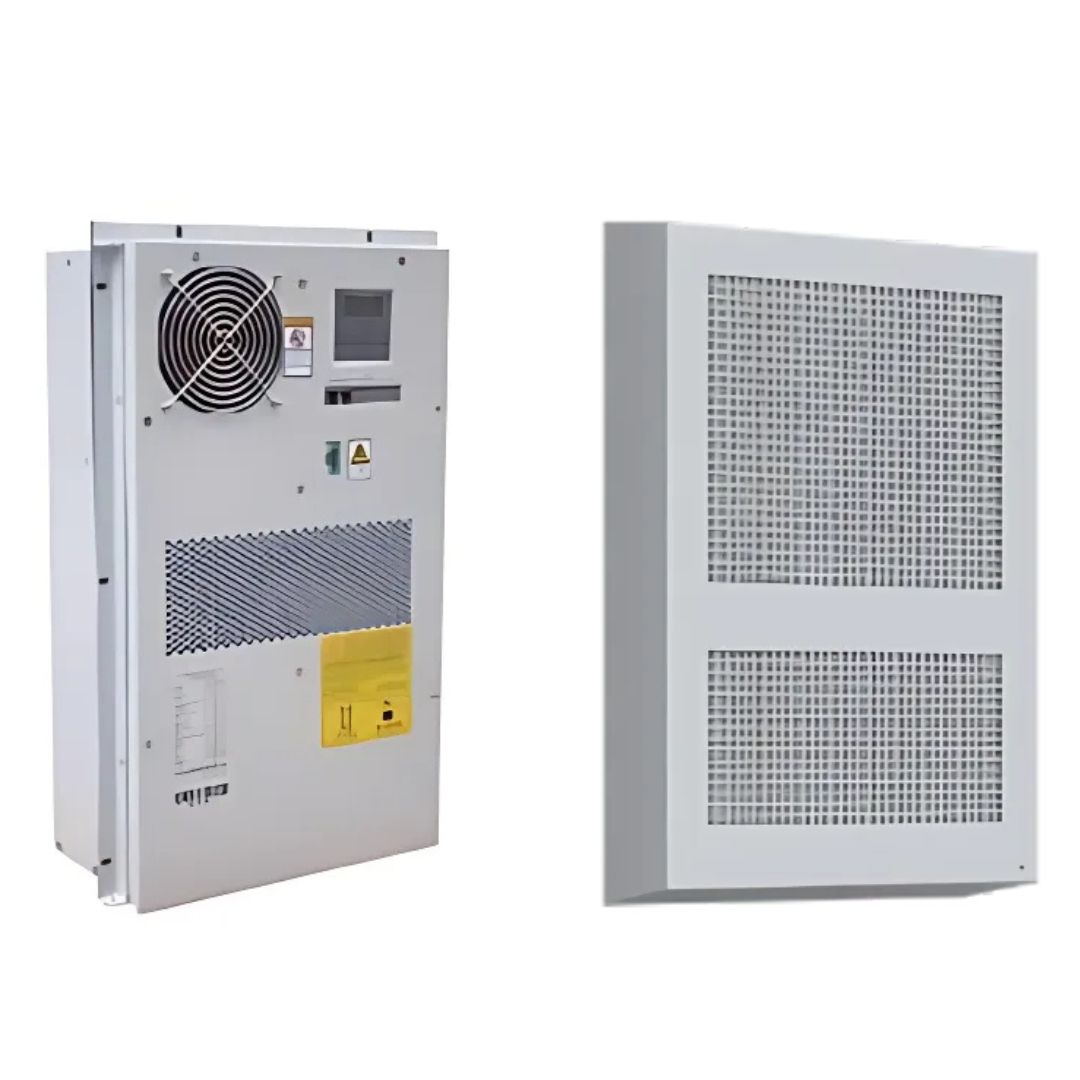
Precision-Cooled, Energy-Efficient Air Solutions for High-Density Data Centers
As IT infrastructures scale out, temperature control becomes more critical. At NPOD, we offer advanced Data Center Cooling Systems and Air Cooling Systems for mission-critical environments.
From hyperscale data halls to edge deployments, we deliver efficient, scalable, and energy-saving cooling solutions across India.
Cooling systems regulate temperature and humidity to prevent overheating, improve energy efficiency, and extend hardware life.
Our team designs energy-efficient cooling customized to your layout, IT load, and environment.
Air cooling is a cost-effective method using ambient or chilled air, ideal for all scales—from small server rooms to large IT facilities.
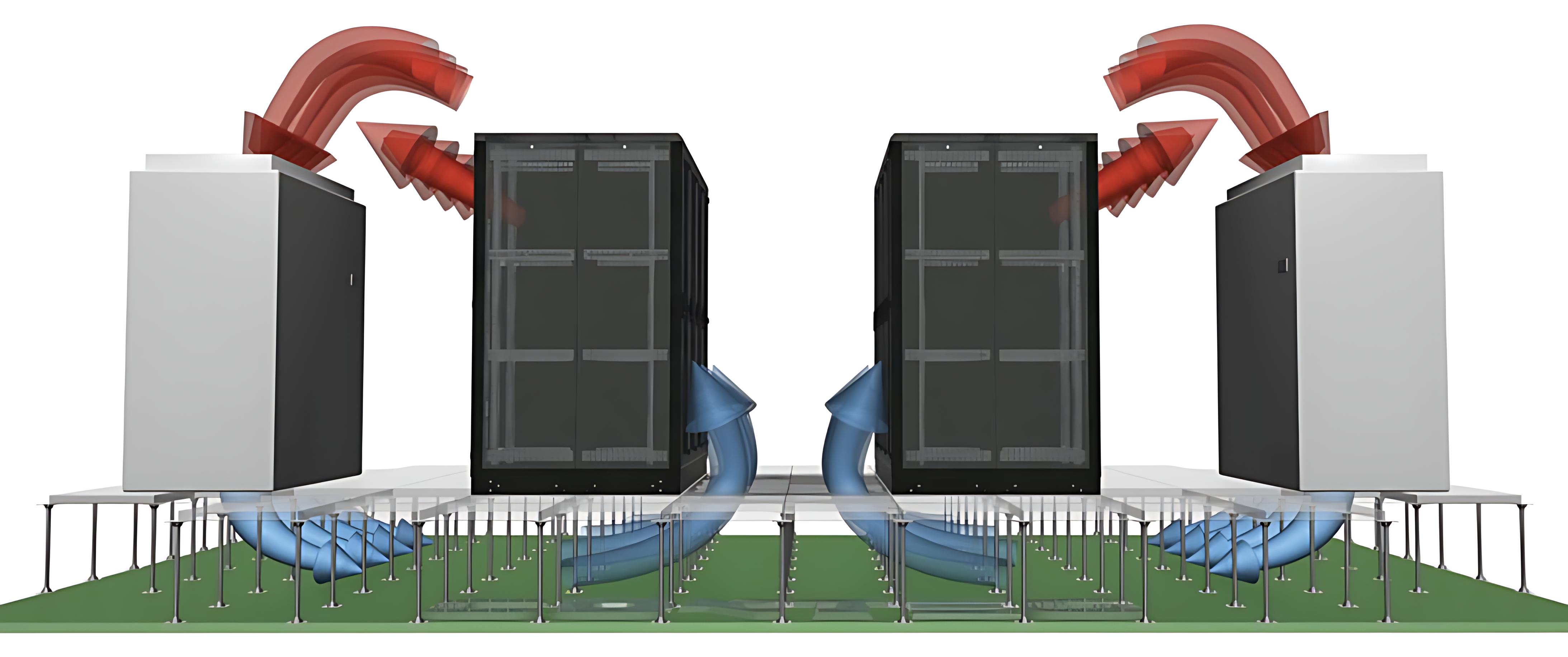
Choose from a range of precision cooling technologies tailored to your infrastructure's scale, density, and budget.
Delivers accurate, rack-level cooling with minimal air loss and optimal humidity control.
Targets hotspots between racks. Excellent for modular and high-density environments.
For uneven loads, offering cold/hot aisle isolation and efficient airflow management.
CRAC (Direct Expansion) for mid-size; CRAH (Chilled Water) for enterprise with smart BMS integration.
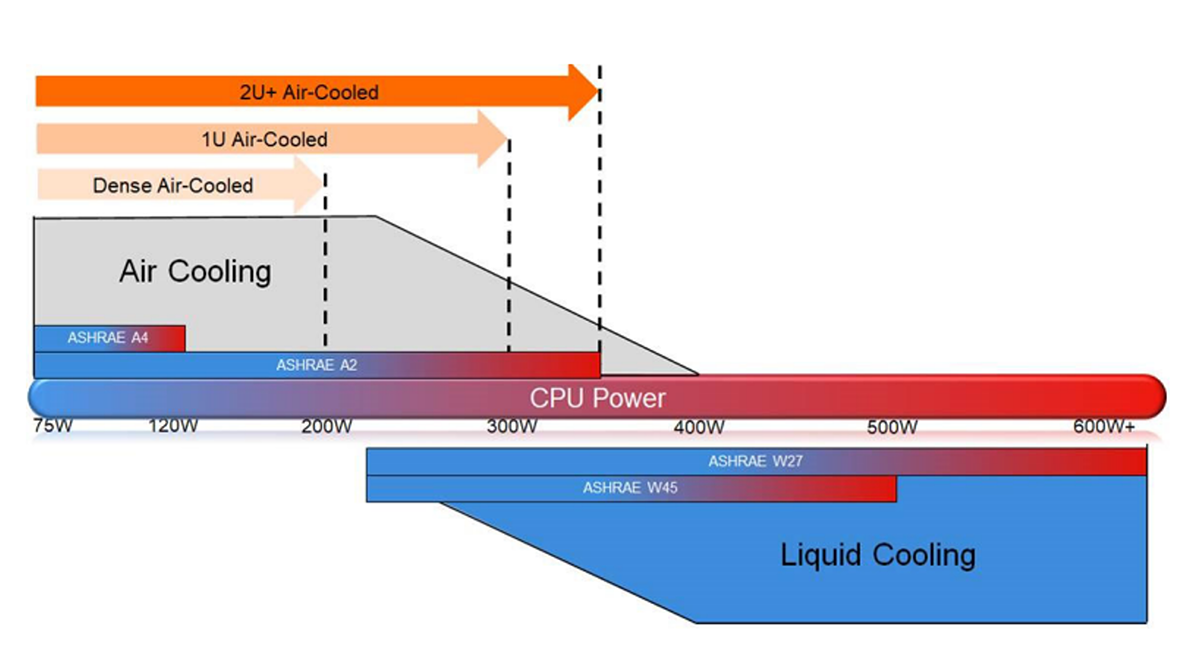
Ideal for AI/ML, HPC, and edge computing with high power density workloads.
Liquid Cooling: Delivers chilled liquid directly to processors for improved thermal transfer. Best for:
Modular Cooling: Plug-and-play systems designed for prefab or containerized environments, suitable for harsh and remote locations.
We customize solutions to India's diverse conditions—from humid coasts to dry inland environments.
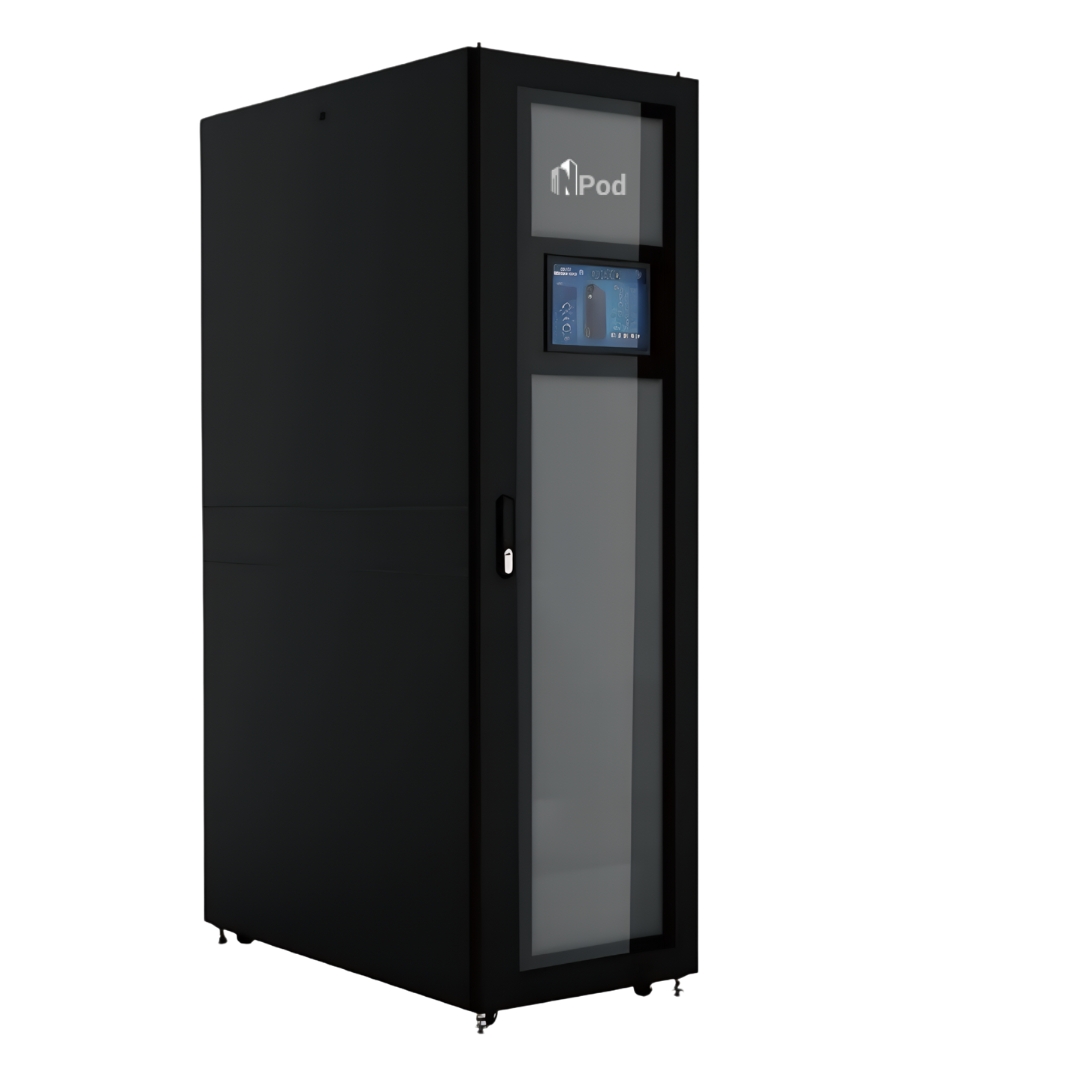
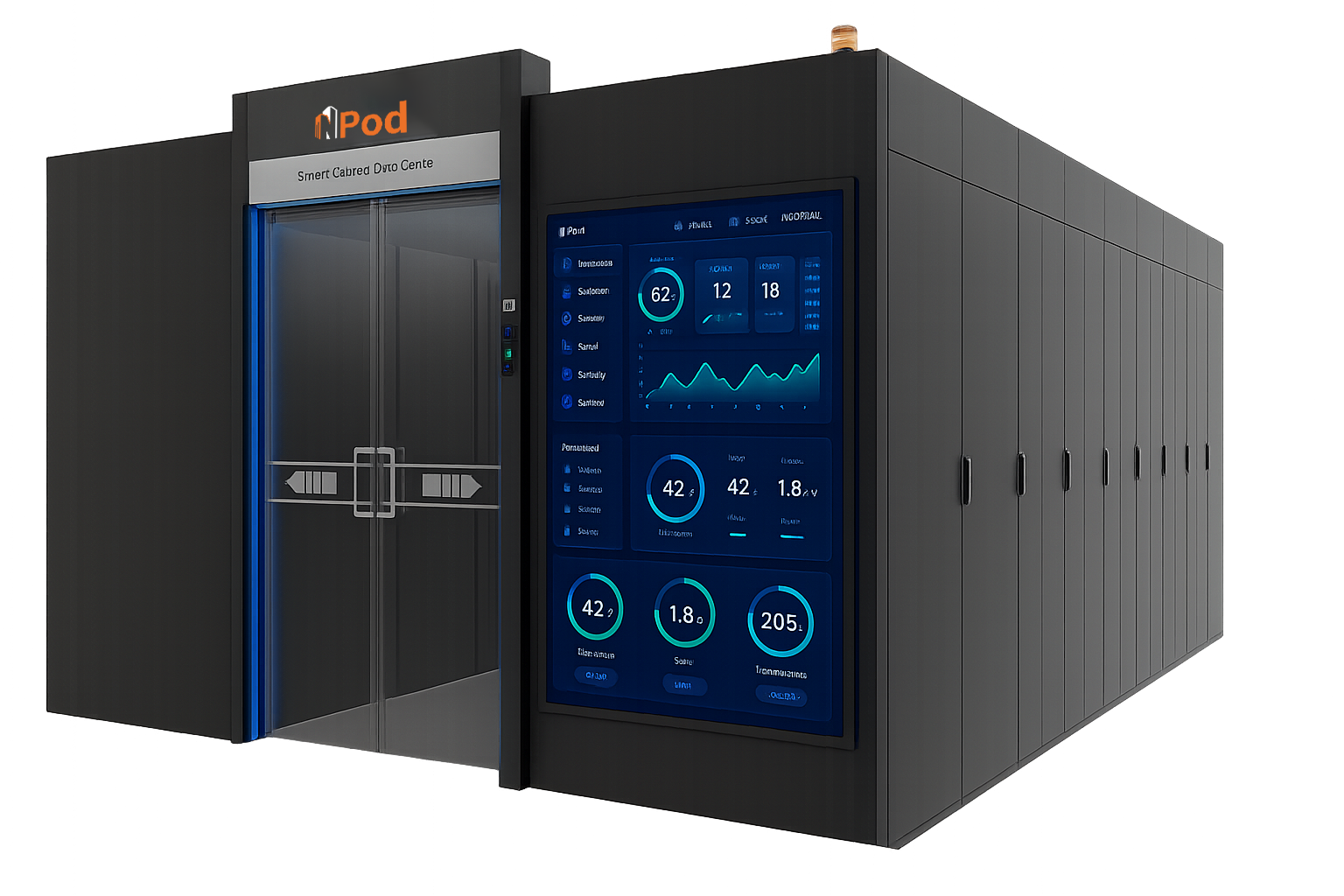
NPod's In-row cooling technology is a type of air conditioning system commonly used in data centers in which the cooling unit is placed between the server cabinets in a row for offering cool air to the server equipment more effectively. In-row air cooling systems are used in data centers to cool server IT racks and placed in between for precision air cooling. These are energy efficient smart sensor-based air conditioners which maintain cooling temperature in the data center locations.
Refrigerant-based cooling is another method utilized in in-row cooling systems to remove heat generated by the data center equipment. Refrigerant, a substance with high heat-absorbing properties, undergoes a cycle of compression and expansion to facilitate the cooling process.
Applicable to various medium and small data centers, such as: operator data centers, data centers of various industries (finance, government, energy, medical, etc.) and other enterprise-level data centers.
Suitable for all kinds of large and medium data centers with chilled water hosts, such as: Internet data centers, operator data centers, data centers in various industries (finance, government, energy, medical, etc.) and other enterprise-level data centers.
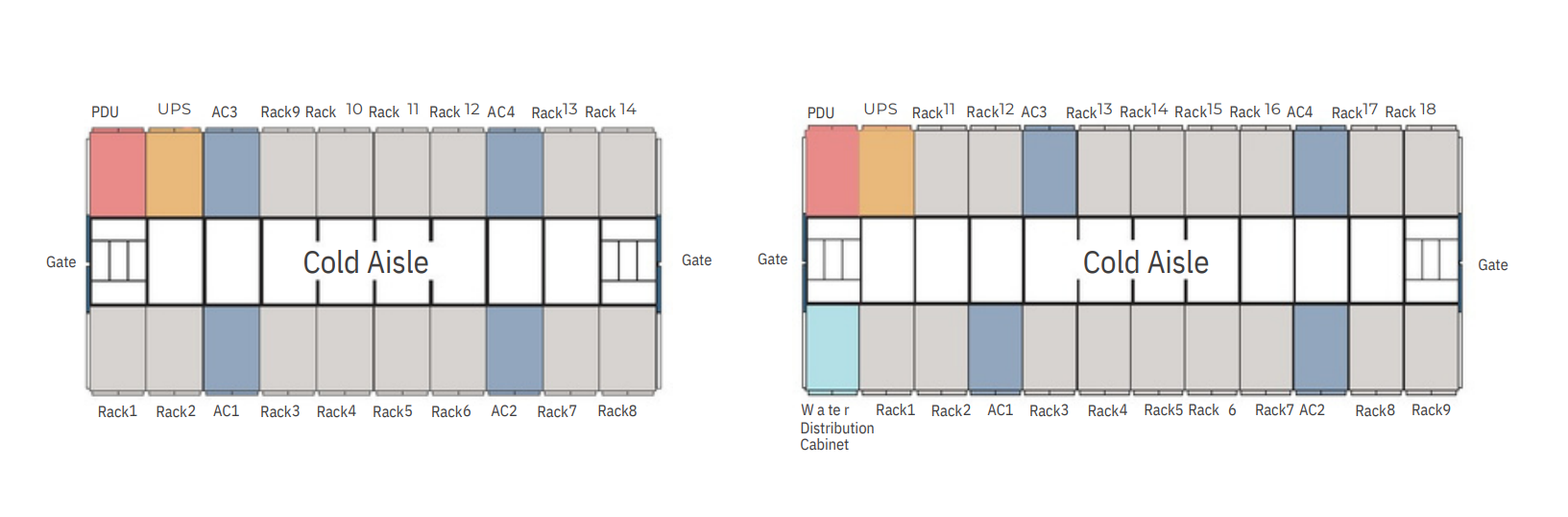
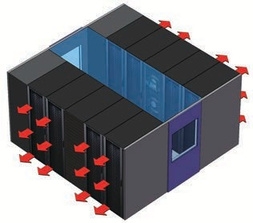
The combination of closed cold aisle system and In-Row air conditioning encloses cold air in the cold aisle and passes it through the equipment so that the cold capacity is fully utilized. More stable air supply, reduced ineffective airflow, and lower equipment energy consumption. Appropriately increasing the supply air temperature can improve the efficiency of the unit.
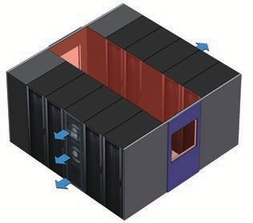
The combination of closed hot aisle system and In-Row air conditioning centralizes and isolates hot air, keeping the unit in its best operating condition. The overall temperature of the computer room is effectively controlled with a partial cold storage effect. Increasing supply air temperature improves unit efficiency.
| Type | CRA008 | CRA013 |
|---|---|---|
| Significant cooling capacity (kW) | 7.5 | 12.5 |
| Air Volume (m³/h) | 1800 | 2800 |
| Energy efficiency ratio | ≥3.0 | |
| Temperature control | ±1°C | |
| Humidity control | / | |
| Unit size (D×W×H) | 300×1200×2000mm | |
| Installation method | Side vertical installation | |
| Protective function | Compressor protection, fan alarm, temp/humidity sensor failure alarm | |
The in-row cooling unit draws warm exhaust air directly from the hot aisle, cools it and distributes it to the cold aisle. This ensures that inlet temperatures are steady for precise operation. Coupling the air conditioning with the heat source produces an efficient direct return air path — "close coupled cooling" — which also lowers the fan energy required. In-row cooling also prevents the mixing of hot and cold air, increasing overall efficiency.
The air conditioner and the server cabinet form an enclosed space. The air supply distance of the air conditioner is short, and it is directly delivered to the server air inlet, reducing the loss of airflow and cooling capacity — high efficiency and energy saving, reducing the PUE value of the computer room. The EC fan is used, which is suitable for independent local high-density heat dissipation, adjusts the air volume output in time, and keeps the temperature and humidity in the confined space constant.
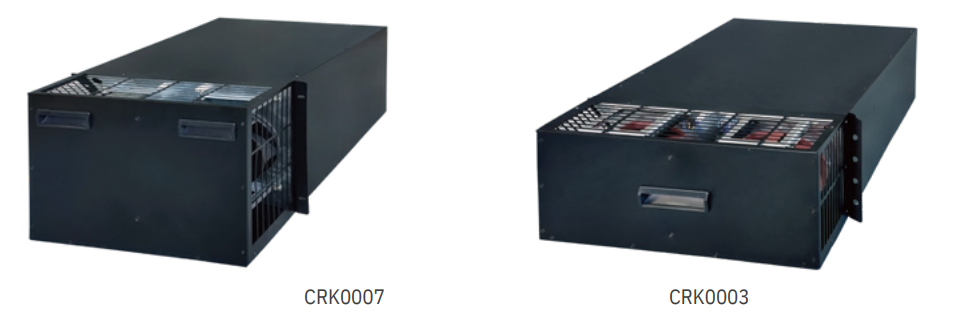
| Type | CRK0003 | CRK0007 |
|---|---|---|
| Cooling capacity (kW) | 3.5 | 3.5 |
| Air Volume (m³/h) | 650 | 650 |
| Energy efficiency ratio | ≥3.0 | |
| Temperature Control | ±1°C | |
| Humidity Control | / | |
| Unit size (D×W×H) | 800×442×264mm | 800×442×352mm |
| Installation method | Standard 19" rack mount | 19" rack one-piece |
| Protective function | Compressor protection, fan alarm, sensor failure | |
Adopt high-quality components that have been rigorously tested, such as compressors, fans, expansion valves, filter driers, etc. Steel structure frame, high-quality steel panel, and the interior of the panel is affixed with sound insulation, heat insulation, and fireproof insulation cotton. Full frontal maintenance to reduce maintenance difficulty.
The incorporation of DC inverter compressors in refrigerant-based cooling units enhances energy efficiency by allowing variable speed control. The DC inverter technology adjusts compressor speed based on cooling demand, optimizing energy consumption and ensuring precise temperature control for IT racks.
DC-driven fans play a crucial role in augmenting overall energy efficiency. With Electrically Commutated (EC) fans, DC technology facilitates intelligent speed control. These fans operate with minimal noise even at low rotational speeds, providing a quieter and more comfortable environment for the data center.
Electronic expansion valves further contribute to the efficiency of the refrigerant-based cooling system. These valves enable accurate regulation of the refrigerant flow, responding dynamically to changing thermal loads — resulting in improved system performance, energy savings, and enhanced reliability.
We have found that in-row and air-cooled CRACs are a better option than anything else. We also design hybrid solutions, depending on how quick of a deployment you want.
Air cooling is going to be more economical and simpler to maintain. Liquid cooling is better suited for high-density and high-performance workloads.
Yes. We can provide custom cooling designs for edge data centers, including compact in-rack (modular) air cooling options.
Talk to our team and get a cooling solution tailored to your infrastructure needs.