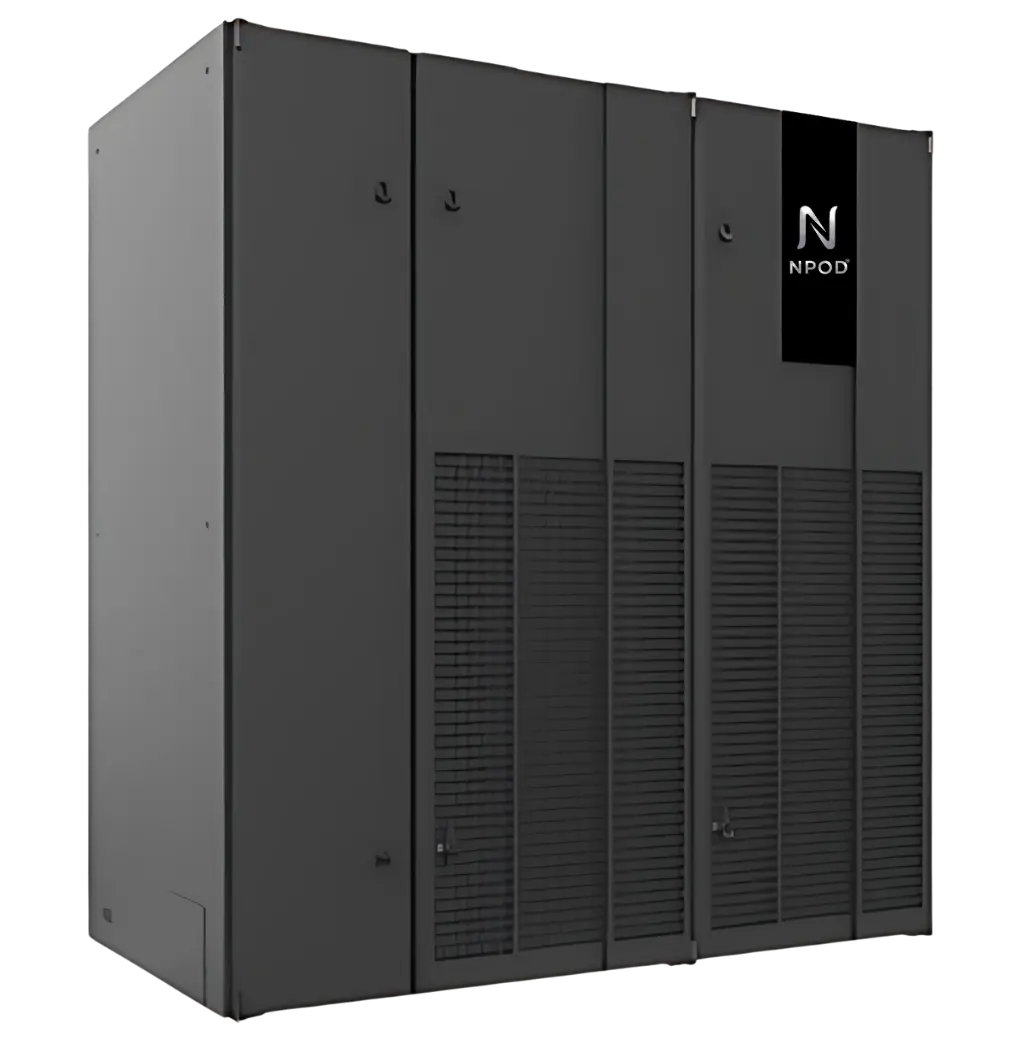
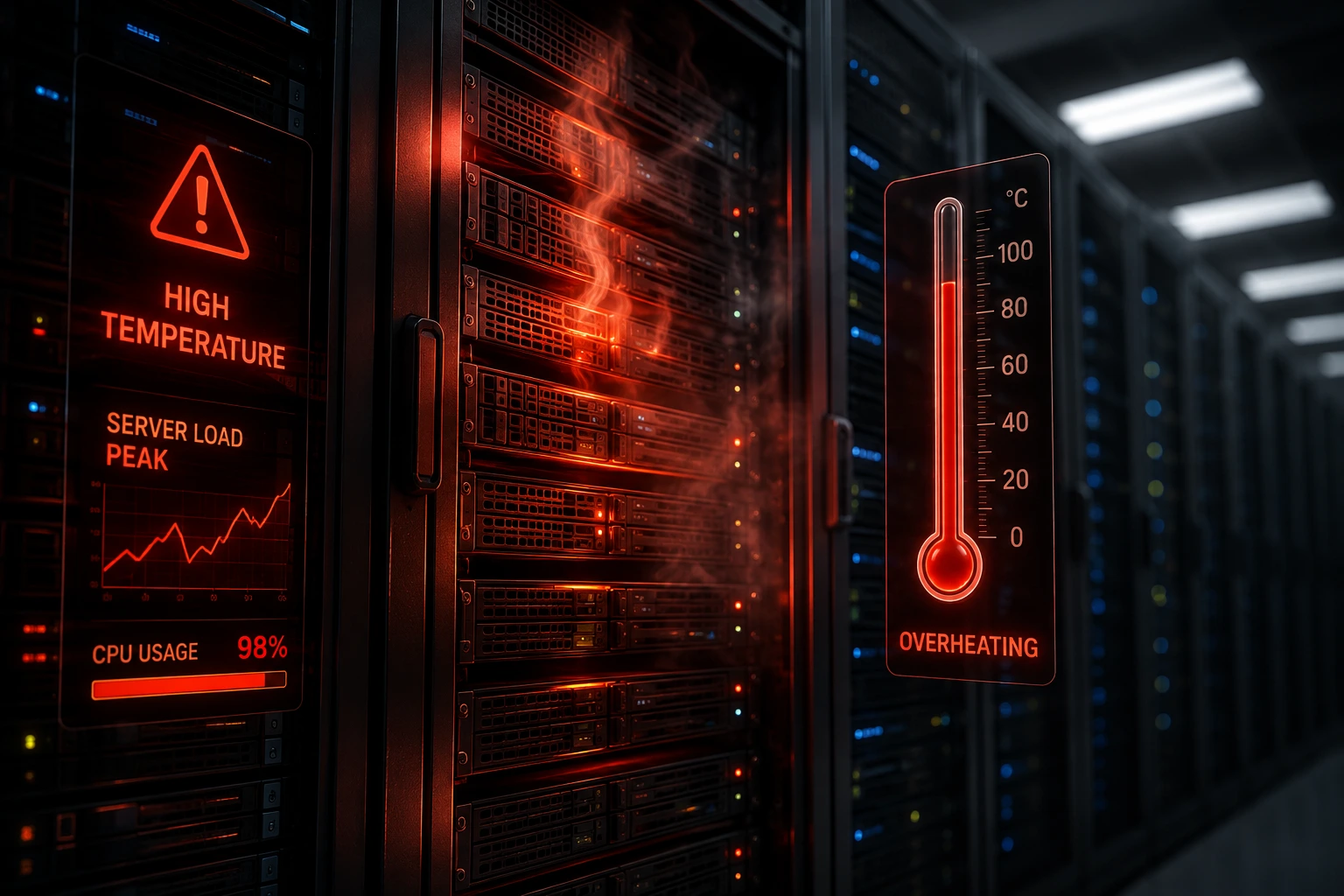
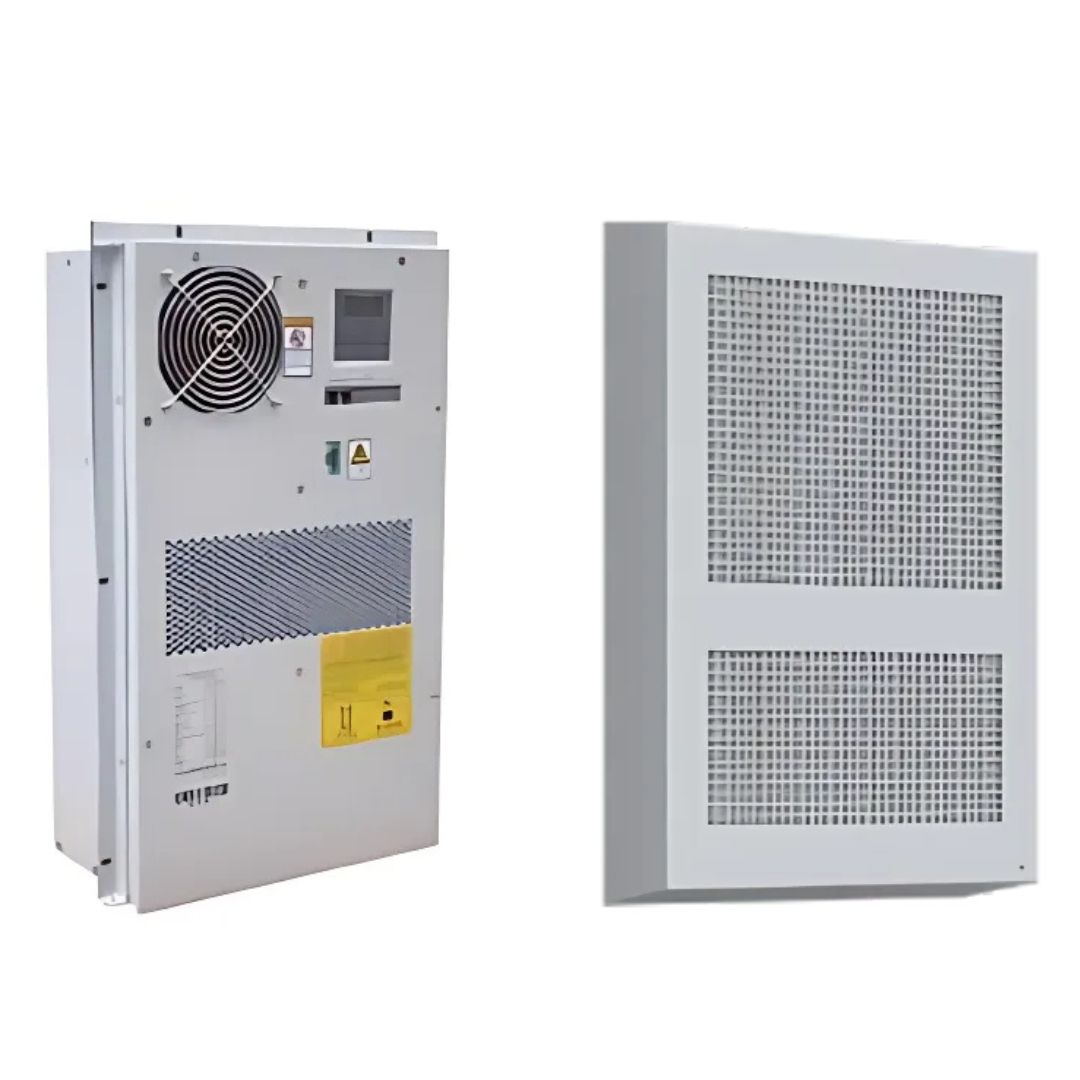
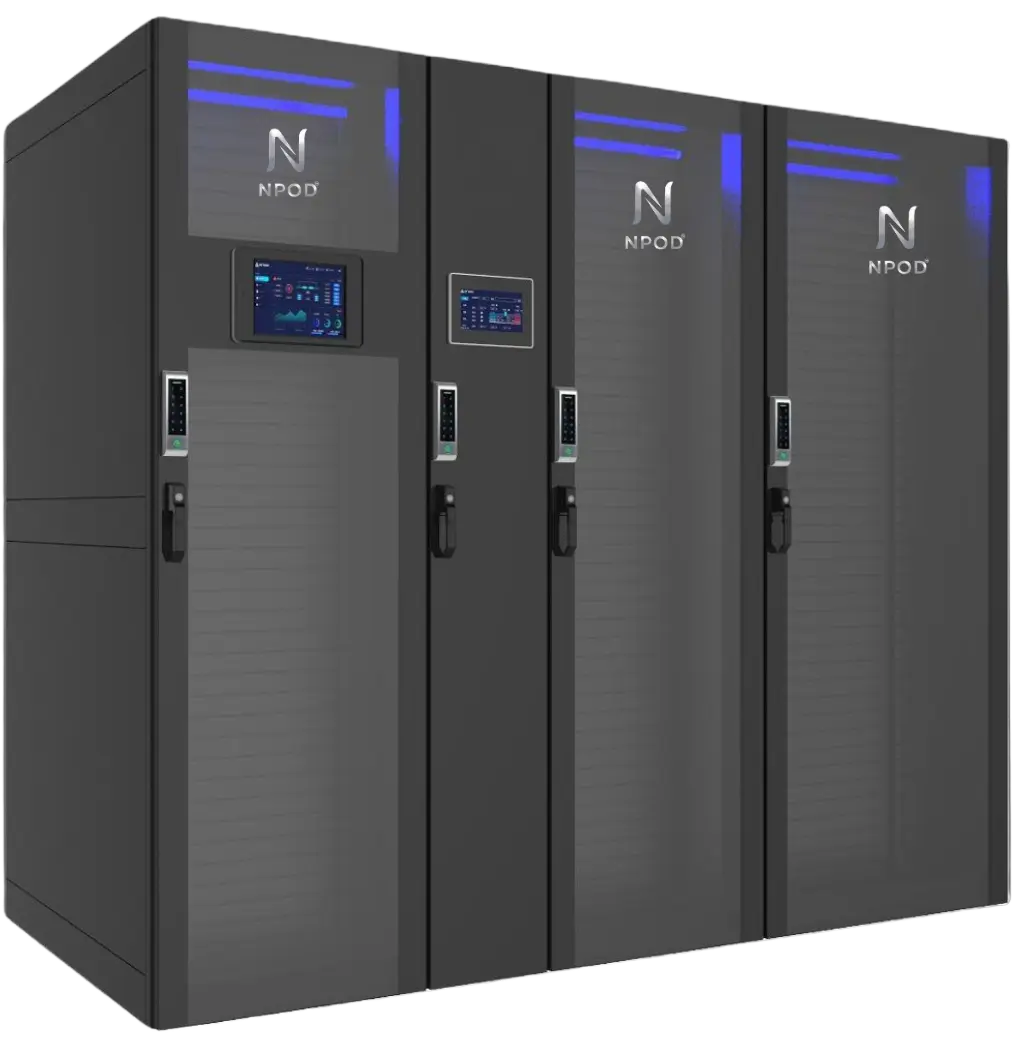
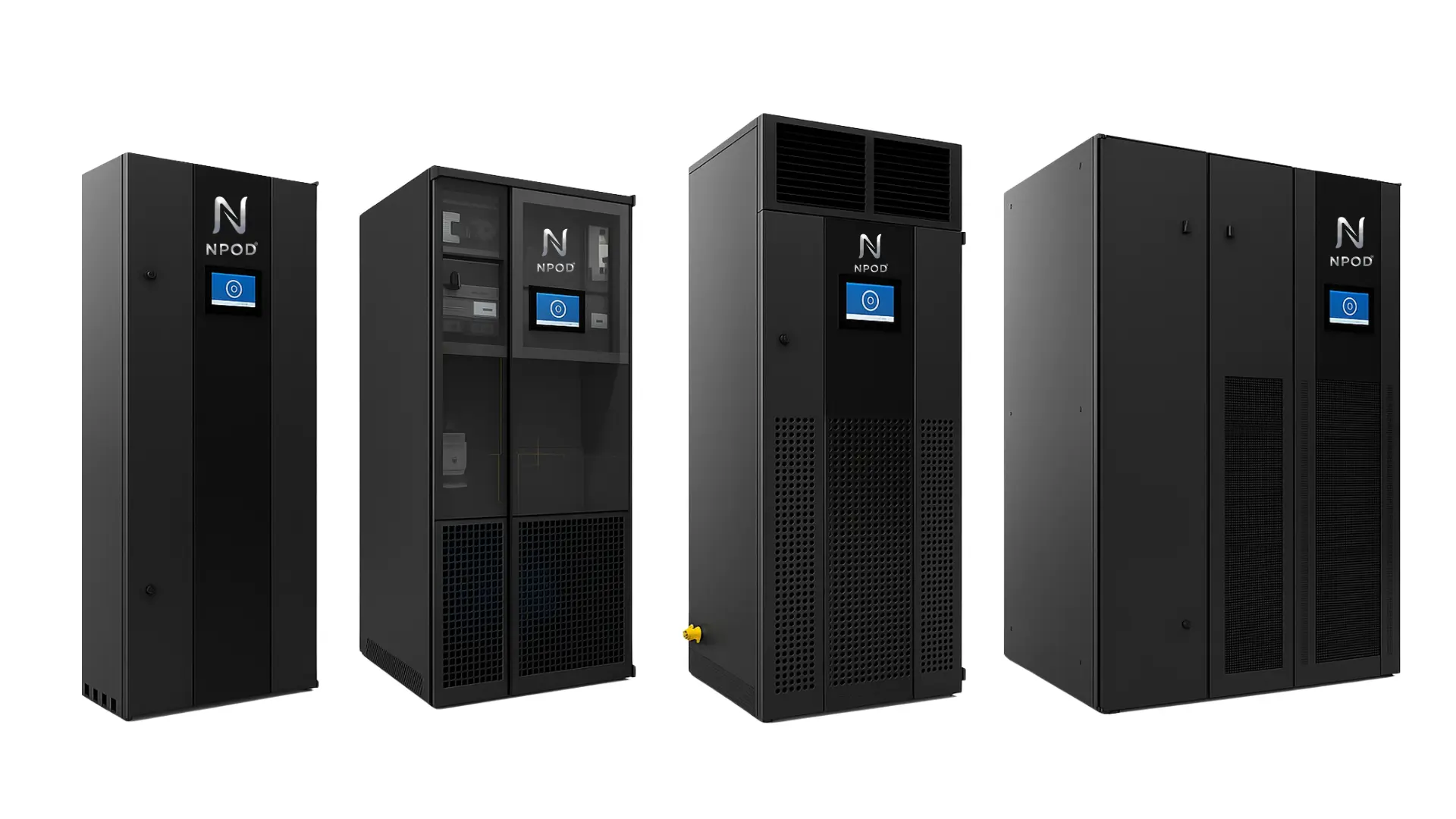
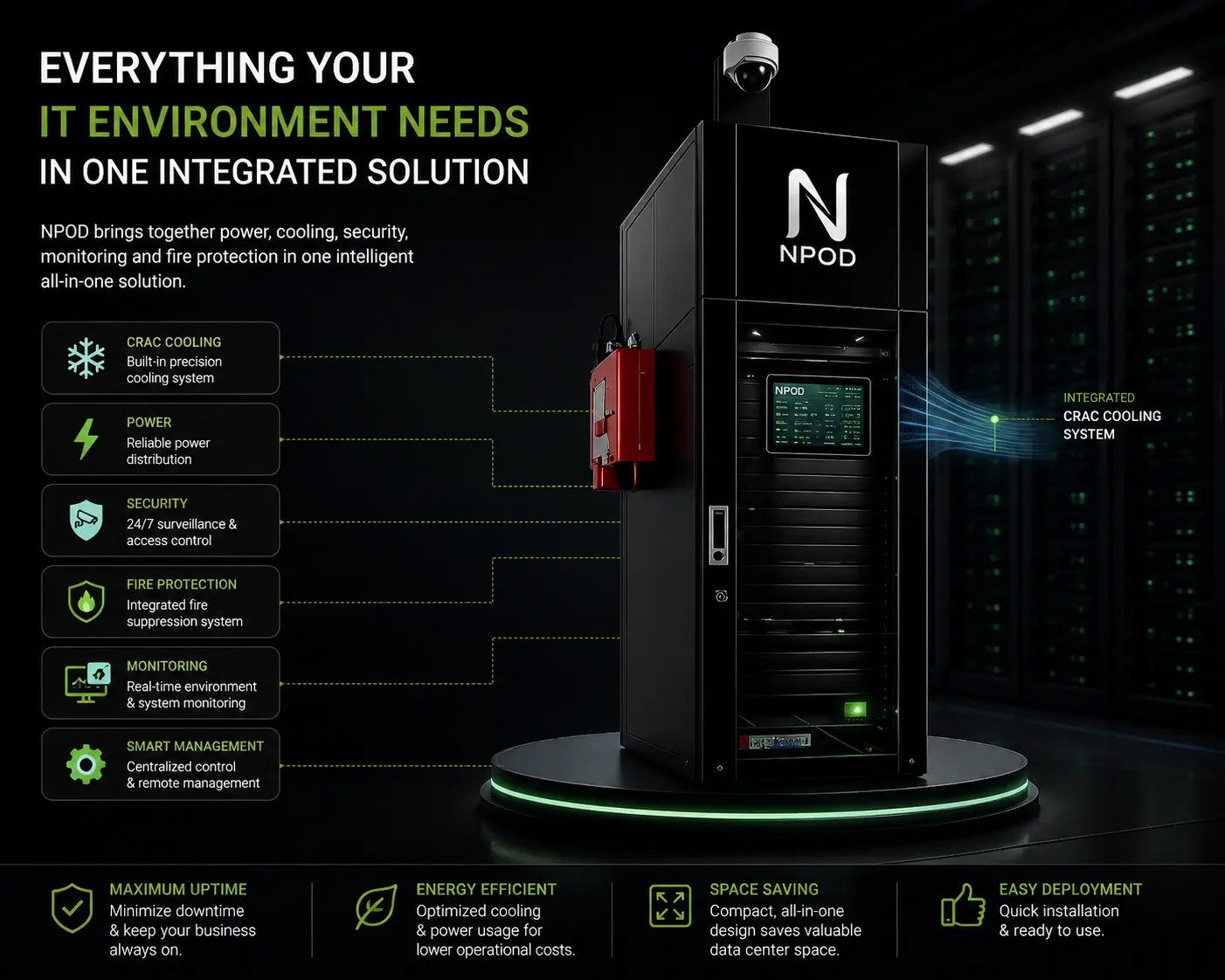
The preservation of appropriate environmental conditions is crucial in providing reliability, efficiency, and durability for data center infrastructure. As the need for computing increases, there is a need for cooling technologies that provide adequate cooling for high-density computing environments. NPOD comes in handy as it provides reliable performance through intelligent temperature control, airflow optimization, and energy efficiency. No matter whether you have modular data centers, edge computing centers, or even micro data centers, NPOD provides reliable precision air conditioning system.
As the data center infrastructure continues to advance, stable conditions in the environment remain an important requirement to achieve continued performance. Although there is a growing trend toward implementing cooling technologies that can help in certain areas, room cooling still remains an effective and efficient alternative for many companies, because of its versatility, easy installation process, and low maintenance.
The NPOD cooling system offers precision flow control and intelligent environmental management along with high-efficiency engineering to ensure continued performance under all conditions in your IT environment. These solutions are specifically designed to offer support for both new and already installed server rooms, helping you maintain optimal conditions while improving efficiency and performance through a reliable room based cooling solution.
Flexible NPOD solutions enable better adaptation to changing data center needs with easy installation and efficient thermal management. Enterprises can optimize their efficiency and adapt to future changes with the use of scalable and room-based cooling solution.
Having stable environmental conditions is key to ensuring that the downtime remains low and the company’s precious IT investments stay safe. The NPOD technology offers reliable cooling results that contribute to reliability and efficiency.
Precision cooling technology allows for increased efficiency, higher reliability, and optimal data center performance.
NPOD provides reliable precision Room Cooling that keeps temperatures stable for IT functions.
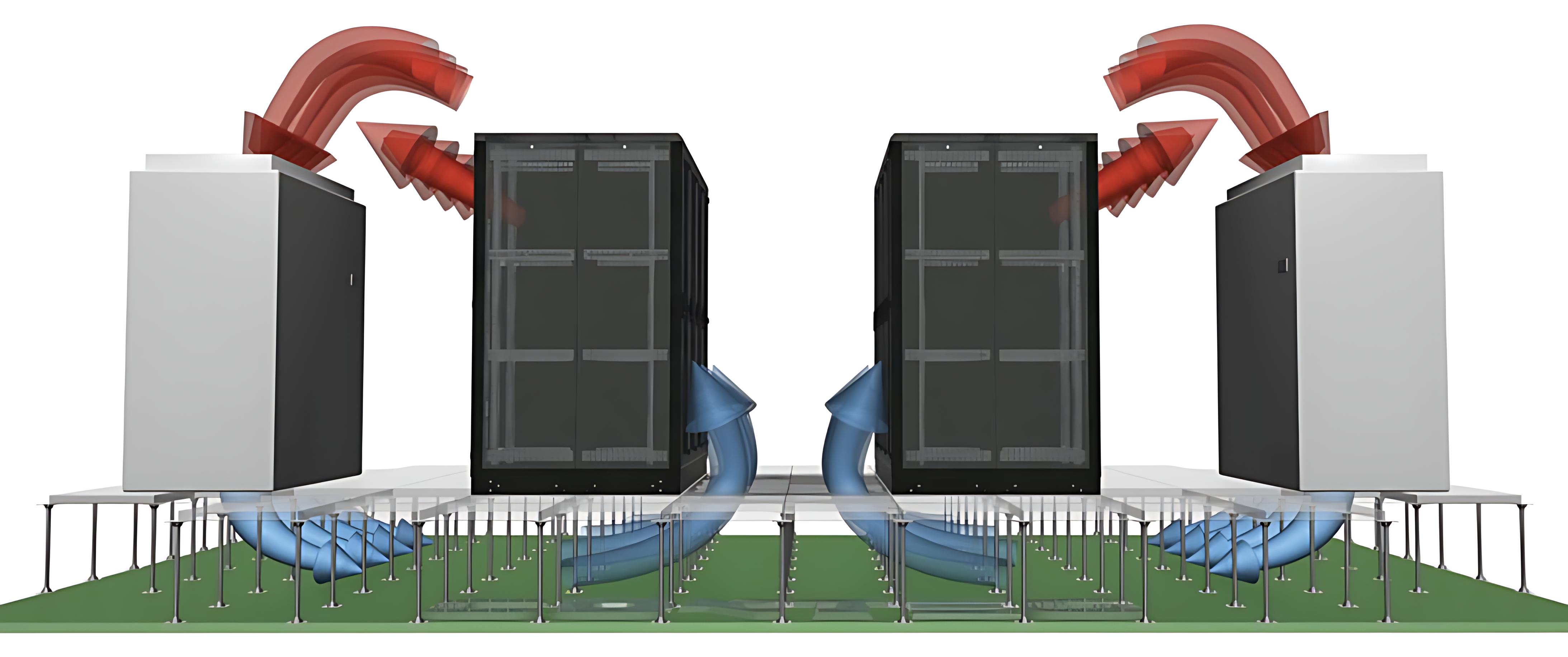
For developing data center infrastructures, it is essential to have scalable cooling solutions which provide efficient and easy deployment along with efficient data center airflow cooling solutions.
NPOD modular systems help keep the temperature performance consistent even when new demands develop.
Micro data centers necessitate effective thermal management in spite of being very compact. Limited space, intense workload, and remote installations pose a need for effective cooling and proper data center air-flow cooling in order to ensure stable operation.
Requirements for cooling depend on data center designs as well as workloads. NPOD provides cooling options depending on infrastructure to ensure optimal performance.
Our experts help our clients determine the performance and costs related to room cooling vs. in-row cooling in regards to high density, and lead them toward choosing the best-performing system for their network.
Efficient cooling is essential for reducing energy consumption and operating costs in modern data center environments. NPOD solutions focus on optimizing performance through intelligent control and airflow management, especially in high density room cooling environments.
Dynamic Output Control
Automatically adjusts cooling based on thermal load
Smart Airflow & Integration
Improves airflow management distribution and efficiency
Energy Cost Reductions
Lowers overall power consumption and operational costs
Eco-Conscious Design
Support sustainability with reduced environmental impact
Every industry has its own requirements. That's why we provide custom cooling infrastructure based on your:
Redundant and scalable systems for uptime critical applications.
Compact and robust solutions for remote data from literally anywhere.
Environmental control that is strict where sensitive materials or equipment are involved.
Security and efficiency to support finance and operations.
Rugged and reliable cooling for environmental extremes.
NPOD can give you full lifecycle support on your data center cooling solution from concept to commissioning.
We can support:
We can even facilitate compatibility with Data Center Infrastructure Management (DCIM) platforms for centralized thermal monitoring and control.
Whether building a new facility or upgrading an existing one, you can be assured that NPOD's enterprise room cooling systems deliver precision, reliability, and flexibility to meet modern data centers demand.
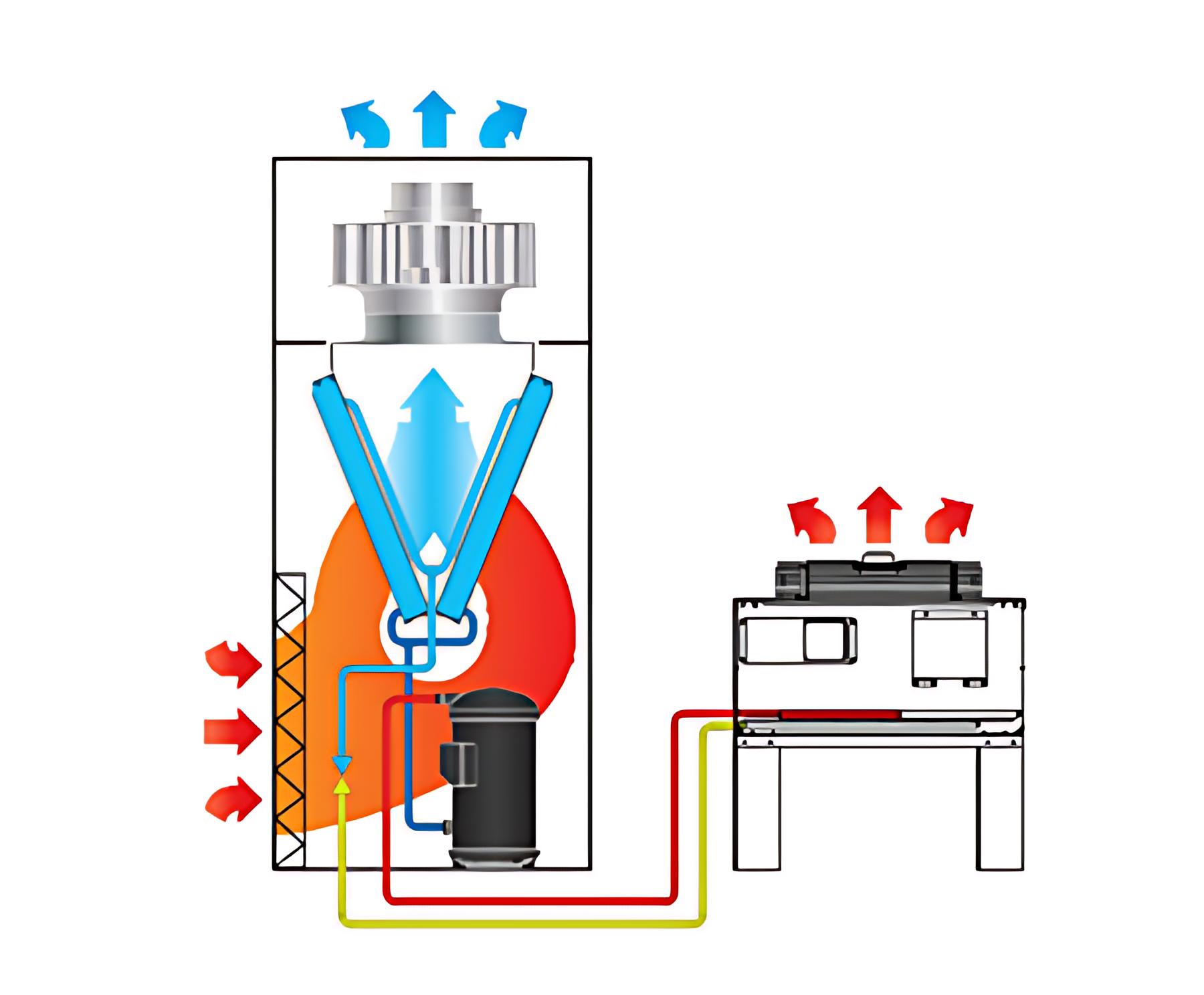
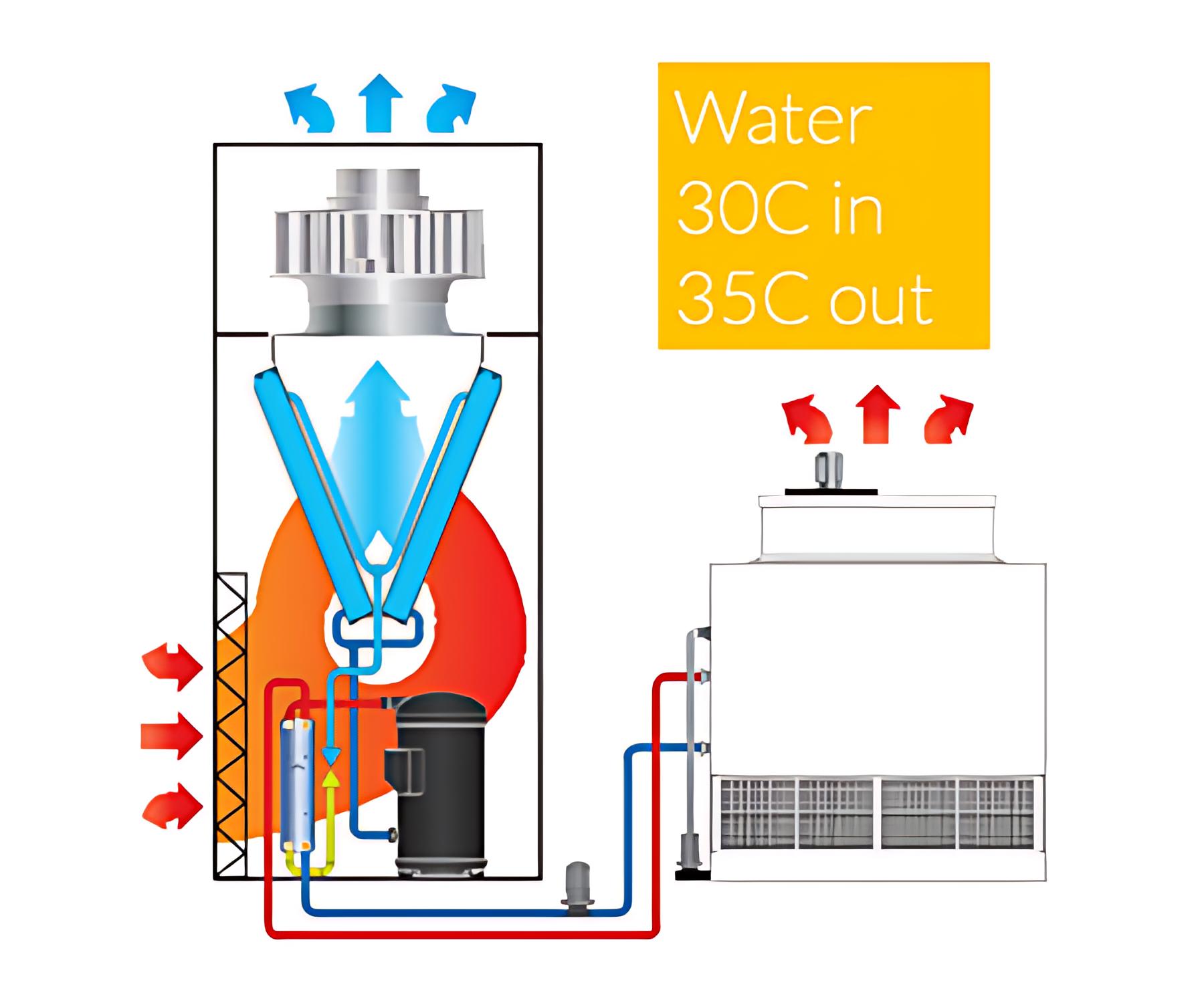
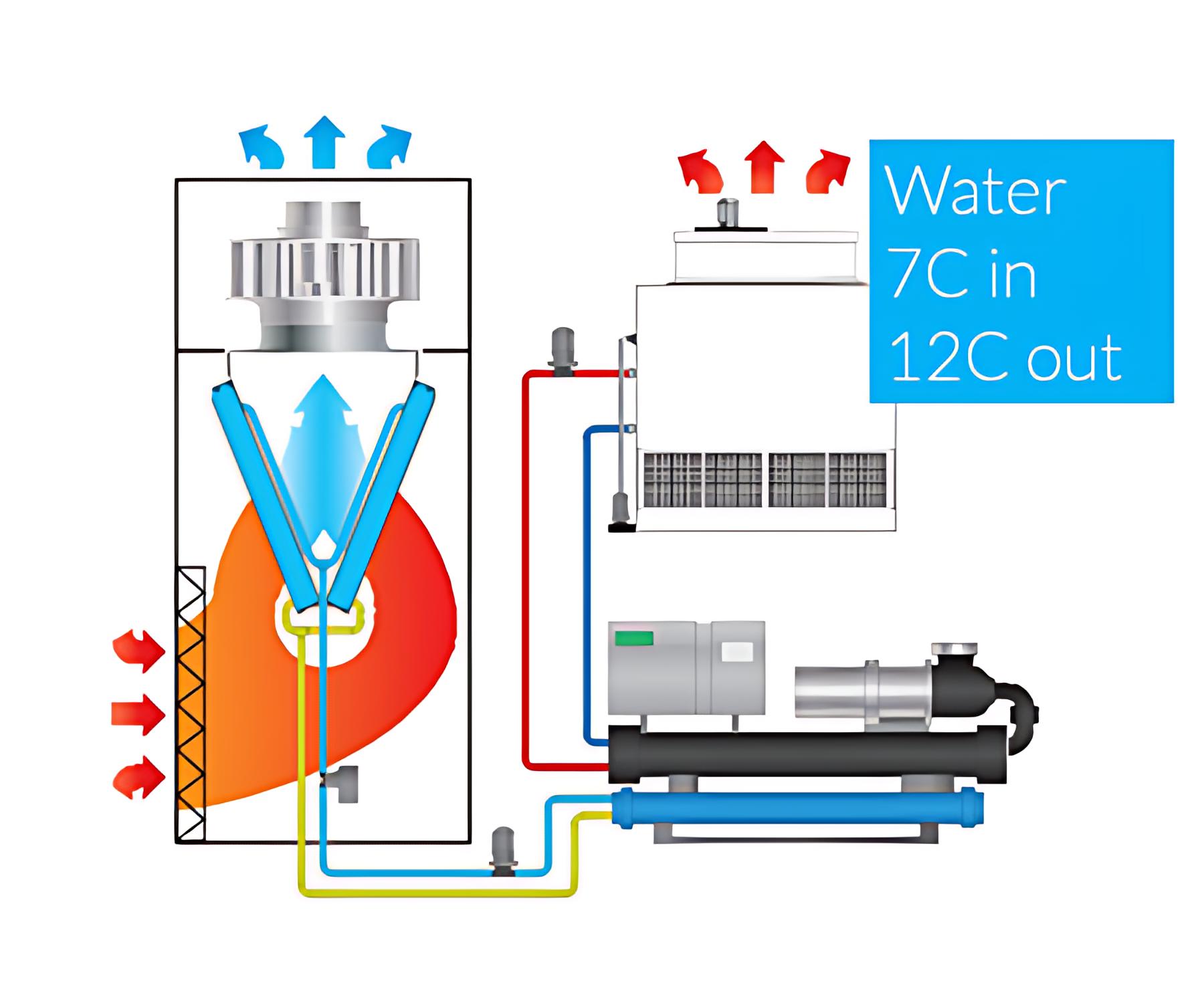
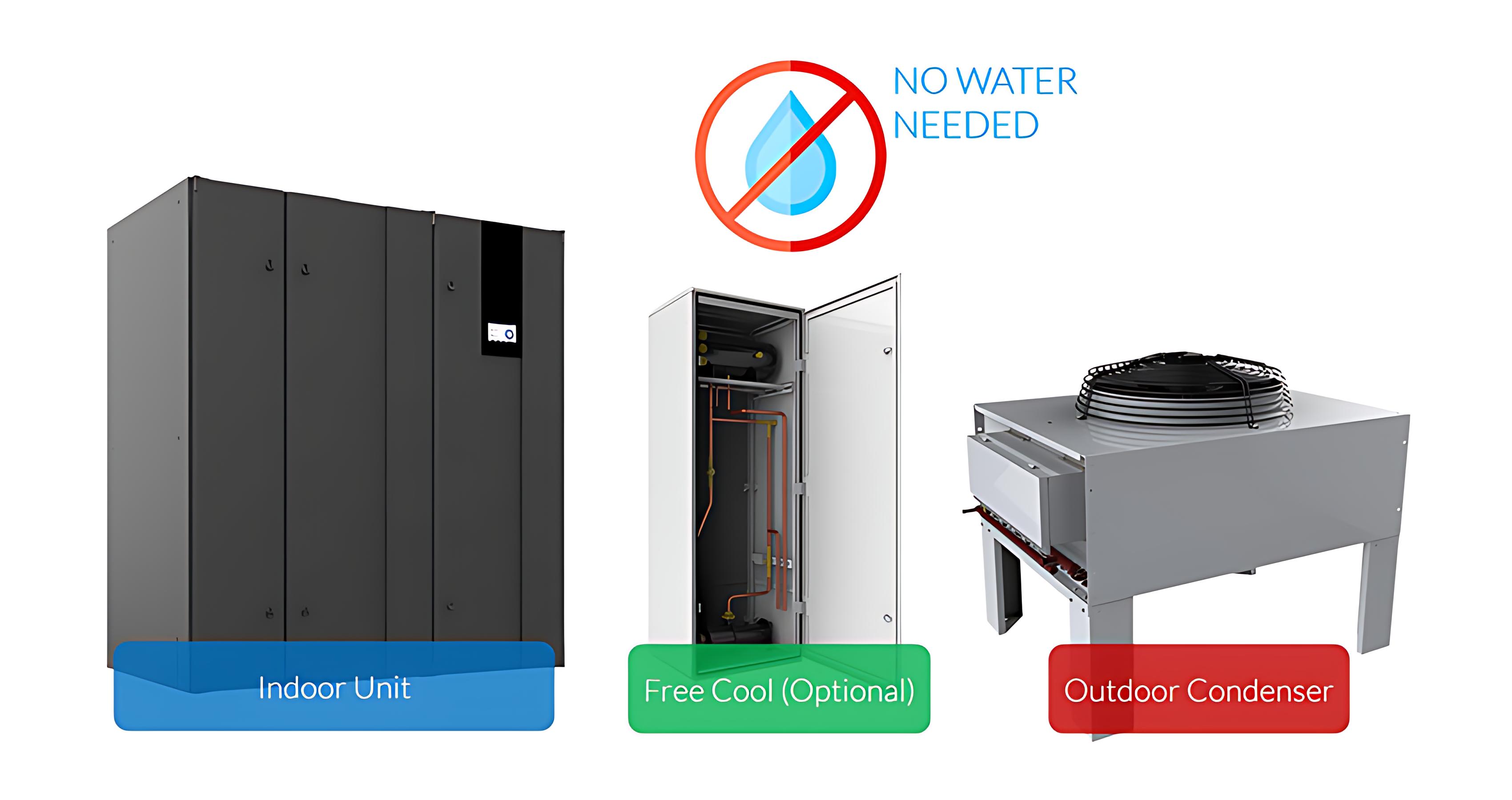
Attom offers various types of cooling systems, including DX air-cooled, DX water-cooled, and chilled water-cooled options. Additionally, we provide support for hybrid dual-fluid systems, adapted precisely to deliver individual solutions tailored to your project requirements.
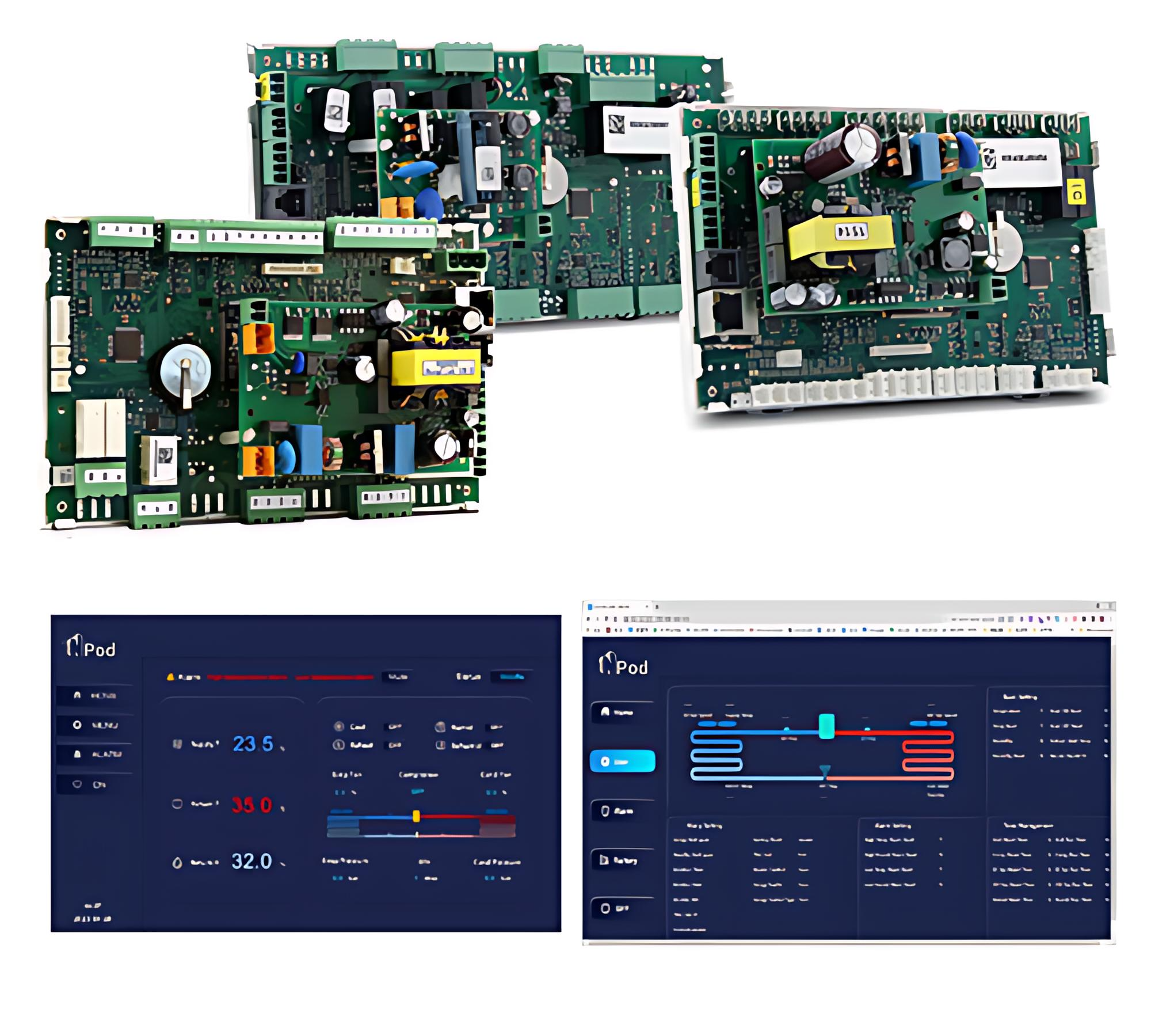
Intelligent smart control system utilizing data from sensors to optimize system performance and monitor activities in real time.
Completely digital controls of all major parts ensuring stable and efficient operation and adjusting automatically depending on on-site situations.
High data collection capacities including more than 1000 alarm records plus 7 days of curve recording for pressures and temperatures in history mode.
Variety of smart communication protocols available such as Web, SNMP, Modbus, BACnet, Email, Dry Contact, and IPv6 for integrated system operation.
Teamwork capabilities including modes of Master/Slave, Master Control, and Force Working operations for coordinated multi-system functioning.
Equipped with web server for browser access from any computer and mobile device for monitoring and remote control operations.
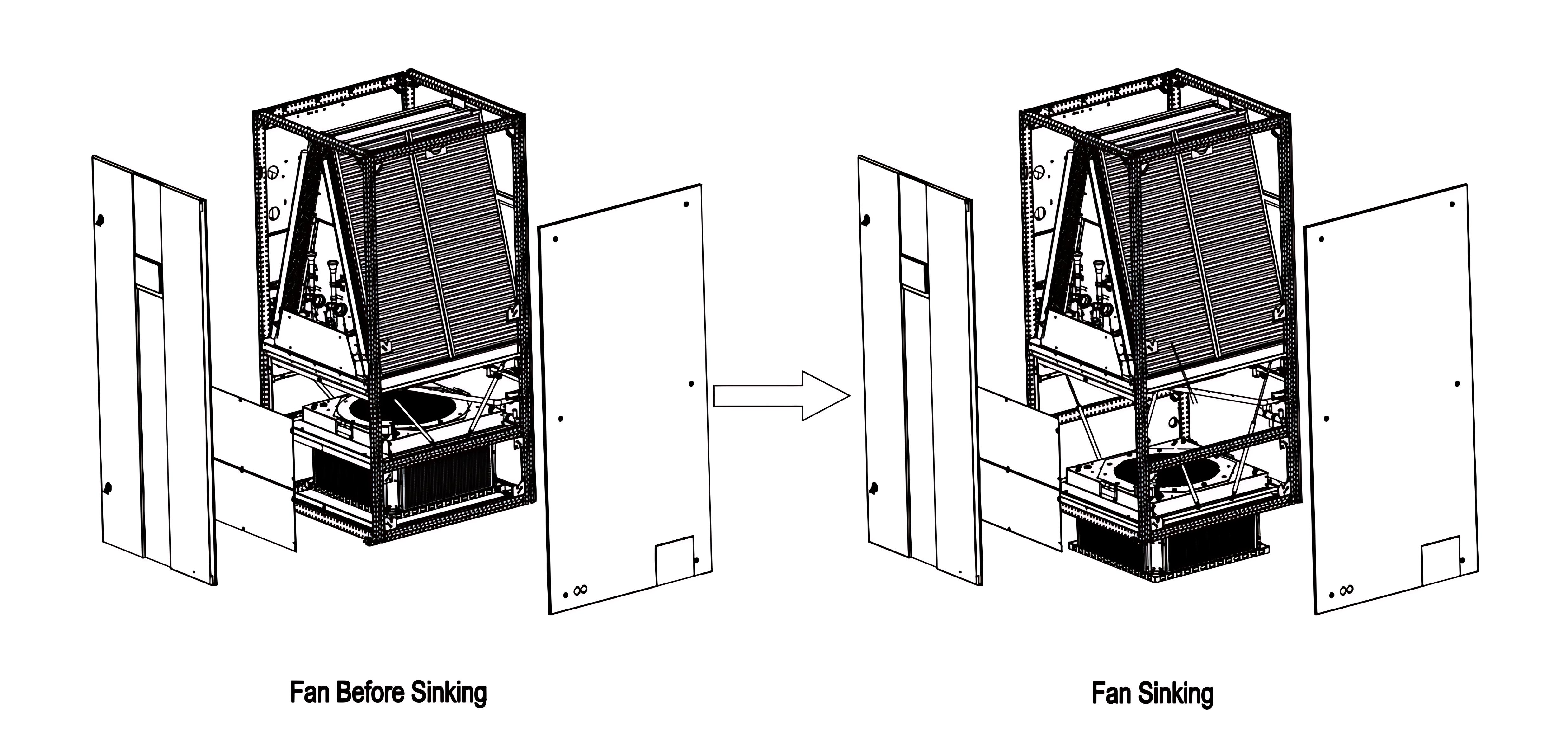
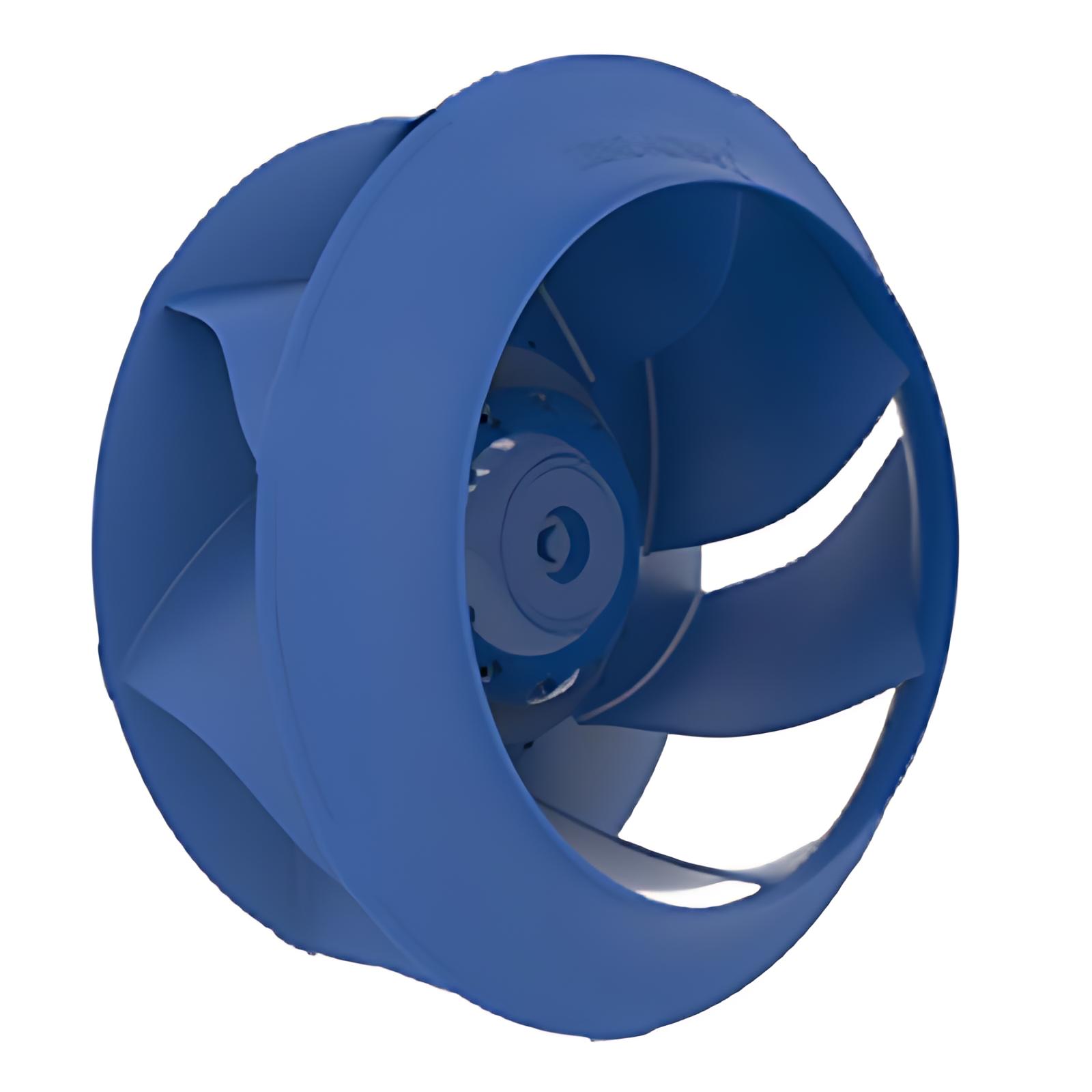
An efficient fan for sinking design guarantees effective down flow air flow to ensure constant cooling operation. The design also decreases installation space and helps in the easier setup of fans in data centers. Furthermore, it allows under-floor fans.
Looking For Reliable Cooling For Your Data Center Project?
Talk to our industry experts to define the solution for you.
Contact Us NowModern facilities use a combination of air-based and advanced thermal management technologies designed to handle continuous computing loads. These systems are selected based on density, layout, and efficiency requirements. Many setups also integrate intelligent monitoring and airflow control to maintain stable operating conditions, reduce energy waste, and ensure uninterrupted performance for critical workloads.
Cooling requirements depend on server density, equipment heat output, and overall infrastructure design. The primary goal is to maintain stable environmental conditions that prevent overheating and performance degradation. Effective systems must ensure consistent air distribution, quick response to temperature changes, and efficient energy use while supporting scalability as computing demands grow.
This type of system is designed to regulate temperature and humidity in enclosed IT environments where heat generation is constant. It works by circulating conditioned air throughout the space to maintain stability and protect equipment. These systems are widely used in enterprise environments due to their reliability, strong airflow management, and ability to support continuous operation.
A precision air system is engineered for environments that require strict environmental control rather than general comfort cooling. It maintains tight temperature and humidity ranges to protect sensitive IT hardware. Unlike conventional systems, it is built for continuous operation, higher heat loads, and detailed monitoring, ensuring consistent performance in mission-critical infrastructure.
The most suitable approach depends on space size, equipment load, and operational requirements. A good system should provide balanced airflow, consistent temperature control, and energy efficiency. It must also adapt to changes in workload without disruption. In most enterprise environments, flexibility and scalability are key factors when selecting the right setup.
Yes, air-based methods are commonly used when properly engineered for controlled environments. The effectiveness depends on airflow design, heat load management, and external conditions. When optimized correctly, it can support stable operations while reducing energy consumption. Many modern facilities combine it with intelligent controls to improve efficiency and maintain reliability under varying workloads.