In this article
Introduction
As organizations continue to expand their digital operations, managing IT infrastructure costs has become a major challenge. Traditional server rooms and centralized data centers often require significant investments in power, cooling, security, floor space, and ongoing maintenance. For businesses looking to improve efficiency without compromising performance, micro data center offer a practical and cost-effective alternative.
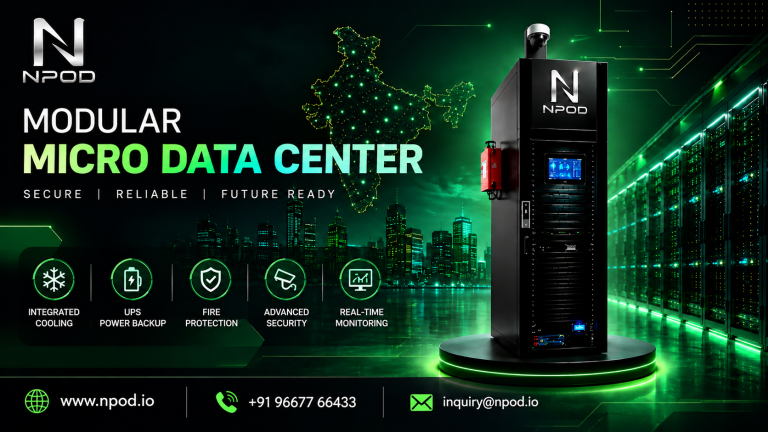
A micro data center is a self-contained infrastructure unit that integrates servers, power backup, cooling, security, and monitoring into a compact enclosure. Designed for rapid deployment and simplified management, these systems help organizations optimize operations while controlling expenses.
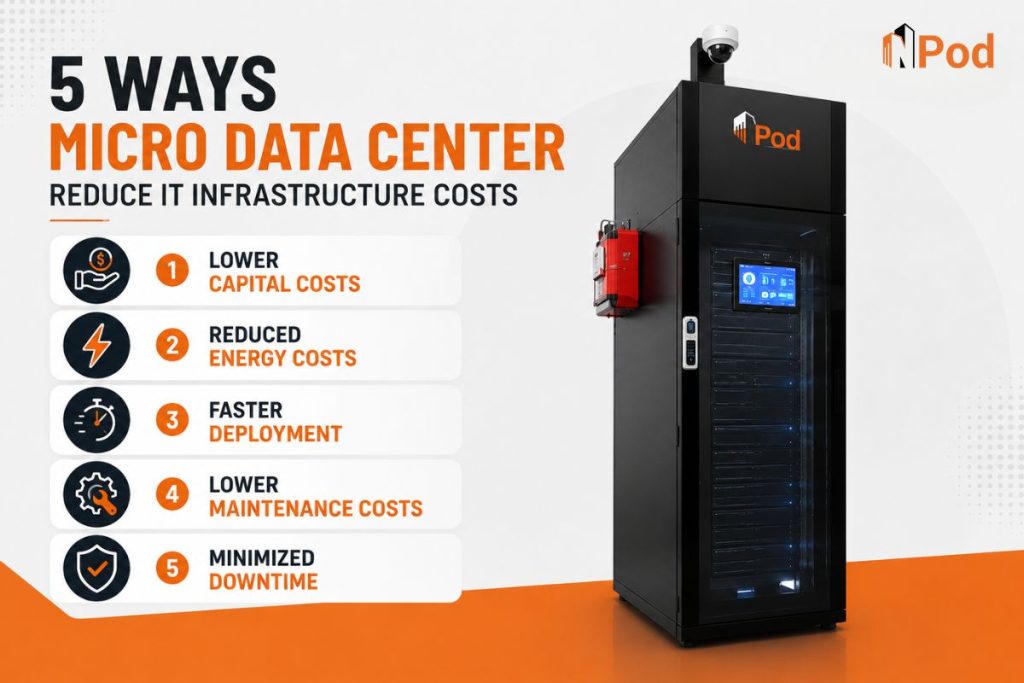
In this article, we explore five key ways micro data center solutions help businesses lower infrastructure costs and improve return on investment.
The Rising Cost of Traditional IT Infrastructure
Many organizations still rely on conventional server rooms that require the following:
- Dedicated floor space
- Separate cooling systems
- Additional security measures
- Complex cabling and deployment
- Ongoing maintenance and upgrades
As business applications, IoT devices, AI workloads, and edge computing environments continue to grow, these infrastructure requirements can significantly increase operational expenses. This is where modern edge data center solutions are becoming increasingly valuable.
1. Lower Capital Expenditure Through Integrated Design
One of the biggest advantages of micro data centers is their all-in-one architecture.
Traditional deployments typically require separate procurement and installation of:
- Server racks
- UPS systems
- Cooling units
- Fire suppression systems
- Environmental monitoring tools
- Physical security systems
With micro data center solutions, these components are integrated into a single platform. This reduces engineering complexity, procurement costs, and deployment timelines.
Cost Impact
Businesses can:
- Avoid multiple vendor contracts
- Reduce installation expenses
- Simplify infrastructure planning
- Minimize project management overhead
This integrated approach supports significant IT infrastructure cost reduction while ensuring reliability and scalability.
2. Reduced Energy Consumption and Cooling Costs
Power and cooling represent a large portion of data center operating expenses.
Traditional server rooms often suffer from:
- Inefficient airflow
- Hotspots
- Overcooling
- Energy waste
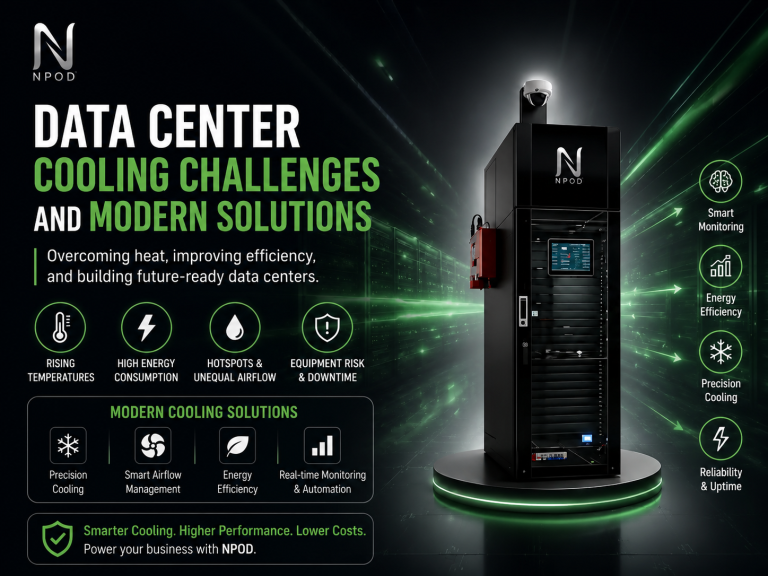
Modern modular data center solutions are designed with optimized airflow management and precision cooling technologies. Cooling is delivered only where needed, improving efficiency and reducing power consumption.
Why This Matters
A more efficient cooling strategy helps organizations:
- Lower electricity bills
- Reduce cooling system maintenance
- Improve equipment lifespan
- Increase energy efficiency
Among the most important micro data center benefits is the ability to support high-performance IT environments while consuming fewer resources.
3. Faster Deployment Reduces Project Costs
Building a traditional data center can take several months or even years depending on the project scope.
Construction delays often result in:
- Increased labor costs
- Extended project timelines
- Delayed business operations
- Higher infrastructure investment
Micro data centers are pre-engineered and factory-integrated, allowing organizations to deploy critical infrastructure much faster.
Comparison of Deployment Timelines
| Infrastructure Type | Typical Deployment Time |
|---|---|
| Traditional Data Center | Several months to years |
| Micro Data Center | Days to weeks |
Rapid deployment helps businesses:
- Launch projects faster
- Avoid construction-related expenses
- Accelerate digital transformation initiatives
- Reduce operational disruption
For organizations expanding branch offices, manufacturing facilities, retail locations, or edge sites, this can significantly reduce data center costs.
Many organizations evaluating rapid infrastructure deployment also compare a container data center with a micro data center. While both offer faster deployment than traditional facilities, micro data centers are often preferred for branch offices, retail locations, remote sites, and edge environments where space efficiency and integrated infrastructure are critical.
4. Lower Maintenance and Operational Expenses
Managing multiple infrastructure systems can place a heavy burden on IT teams.
Traditional environments often require:
- Separate monitoring tools
- Frequent manual inspections
- Complex maintenance schedules
- Dedicated infrastructure specialists
Micro data centers simplify operations through integrated monitoring and management platforms.
Operational Advantages
Features commonly include:
- Remote monitoring
- Environmental sensors
- Power management
- Security alerts
- Automated notifications
This centralized visibility enables IT teams to identify issues before they become costly failures.
Cost Savings
Organizations can benefit from:
- Reduced maintenance visits
- Lower staffing requirements
- Faster troubleshooting
- Improved operational efficiency
As a result, businesses gain access to cost-effective IT infrastructure solutions that support long-term operational savings.
5. Minimized Downtime and Business Disruptions
Unexpected downtime can be one of the most expensive challenges for any organization.
Even a short outage can impact:
- Productivity
- Customer experience
- Revenue generation
- Regulatory compliance
- Business continuity
Micro data centers are designed with built-in redundancy and environmental protection systems to improve uptime.
Typical Integrated Protections
- UPS backup power
- Intelligent cooling
- Fire detection and suppression
- Physical access control
- Environmental monitoring
By reducing infrastructure failures and improving resilience, organizations can avoid costly outages and maintain continuous operations.
For industries such as banking, healthcare, manufacturing, and retail, minimizing downtime is often one of the most valuable micro data center benefits.
Industry Use Cases
Banking
Banks require secure infrastructure at branch locations. Micro data centers help support local applications, improve security, and reduce dependency on centralized facilities.
Healthcare
Hospitals and clinics rely on continuous access to patient information and critical systems. Compact infrastructure deployments help maintain availability while controlling costs.
Manufacturing
Industrial facilities generate large volumes of operational data. Edge data center solutions allow processing closer to production environments while reducing latency and operational expenses.
Retail
Retail chains can deploy infrastructure at multiple locations without building dedicated server rooms, improving scalability and reducing costs.
Retail businesses are increasingly adopting digital surveillance, smart analytics, and centralized monitoring systems. As organizations evaluate CCTV cloud storage price options, local computing resources become equally important for storing, processing, and securing surveillance data. Micro data centers provide a reliable platform for supporting these workloads closer to the source while reducing latency and bandwidth consumption.
Micro Data Center vs Traditional Infrastructure
| Infrastructure Type | Typical Deployment Time |
|---|---|
| Traditional Data Center | Several months to years |
| Micro Data Center | Days to weeks |
Key Takeaways
Organizations seeking IT infrastructure cost reduction should focus on solutions that improve efficiency while simplifying management.
Micro data centers help businesses
- Lower capital expenditure
- Reduce energy consumption
- Accelerate deployment
- Simplify maintenance
- Improve uptime and business continuity
These advantages make micro data center solutions an increasingly attractive option for organizations modernizing their IT environments.
Frequently Asked Questions
1. How much can a micro data center reduce IT infrastructure costs?
The cost savings depend on the deployment size and business requirements. However, organizations can significantly reduce expenses related to power consumption, cooling, floor space, maintenance, and infrastructure management. Many businesses choose micro data center solutions to improve operational efficiency while lowering long-term IT costs.
2. What is the difference between a micro data center and a container data center?
A container data center is typically designed for larger-scale deployments and outdoor environments, while a micro data center is a compact, self-contained unit intended for branch offices, retail locations, edge sites, and small to medium-sized IT environments. Both provide rapid deployment, but micro data centers require less space and infrastructure.
3. Are micro data centers suitable for edge computing applications?
Yes. Micro data centers are widely used as edge data center solutions because they enable data processing closer to users, devices, and applications. This reduces latency, improves application performance, and supports real-time decision-making.
4. Can micro data centers support CCTV and video surveillance storage?
Yes. Micro data centers can support video surveillance systems, analytics platforms, and local storage requirements. Businesses evaluating cctv cloud storage price options often use micro data centers to process and store surveillance data locally, improving performance and reducing bandwidth usage.
5. What industries benefit most from micro data center solutions?
Industries such as banking, healthcare, manufacturing, retail, education, government, and telecommunications benefit from micro data center solutions. These environments require secure, scalable, and reliable infrastructure that can be deployed quickly and managed efficiently.
6. Why are businesses replacing traditional server rooms with micro data centers?
Traditional server rooms often require separate power, cooling, security, and monitoring systems, leading to higher operational costs. Micro data centers combine these components into a single integrated solution, helping organizations improve reliability, simplify management, and achieve better IT infrastructure cost reduction.
Conclusion
As businesses continue to seek greater efficiency and resilience, micro data center solutions provide a practical path toward infrastructure modernization. Their ability to reduce deployment complexity, improve energy efficiency, minimize downtime, and lower operational expenses makes them an ideal choice for organizations focused on long-term cost savings.
Whether supporting branch offices, edge locations, manufacturing plants, or enterprise IT environments, micro data centers offer a smarter and more economical approach to infrastructure deployment.
Looking to reduce infrastructure expenses while improving reliability? NPOD delivers intelligent micro data center solutions with integrated power, cooling, security, monitoring, and rapid deployment capabilities. Contact our experts today to discover how NPOD can help build a scalable and cost-efficient IT infrastructure for your business.