In this article
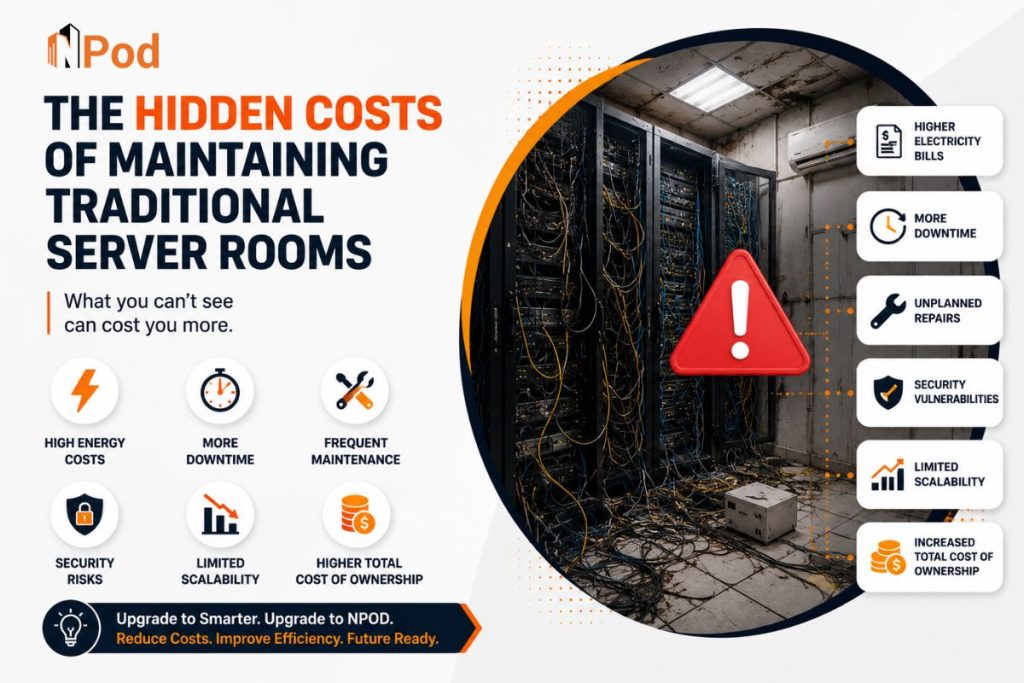
In the age of the digital enterprise, reliable IT infrastructure is becoming more critical than ever before. For many organizations, the conventional server room has long been the primary method of supporting their business data and applications; however, what many overlook is the inherent (and often substantial) hidden costs of supporting one. Apart from initial hardware expenditure, power consumption, cooling requirements, security, scalability, and unplanned downtime all add substantial operational costs throughout the lifecycle of a server room.
To help businesses gain insight into the often-forgotten hidden costs and begin to forge IT infrastructure for the future, the advent of alternatives such as micro data center solutions is taking center stage.
Understanding the Real Cost of Traditional Server Rooms
At first glance, a server room setup may appear to be a practical and cost-effective option. The initial set-up can seem simple, since many organizations already have dedicated space available in their facilities. But the real cost of ownership goes far beyond buying servers and networking gear.
Technology requirements are constantly changing, and, as a result, many businesses end up spending more on upgrades, maintenance, energy consumption, and security measures than they had initially planned. These ongoing costs can slowly turn a server room into a major operational burden.
Rising Server Room Maintenance Costs
One of the most overlooked expenses is the rise in server room maintenance costs. A stable IT environment must be constantly monitored and routinely inspected, and the hardware serviced, as well as the environment managed.
Servers, storage devices, and networking equipment have to operate within particular temperature and humidity ranges in order to preserve performance and reliability. This means that organizations must invest in cooling systems, backup power infrastructure, and regular maintenance activities to avoid failures.
Over time, these ongoing costs can surpass the original investment in infrastructure, making server rooms many times more expensive than many businesses expect.
Energy Consumption and Cooling Challenges
Heat generation is one of the biggest traditional server room challenges. As workloads grow and hardware density becomes more compact, cooling needs become more difficult.
In many cases, air conditioning systems are operated continuously to provide a safe operating environment. This not only adds to the electricity use, but is a big contributor to the overall data center infrastructure costs.
Utility bills can also be higher with aging cooling systems that might need to be repaired, upgraded, or replaced altogether. Left unchecked, cooling inefficiencies can mean shorter equipment life and more frequent downtime for businesses.
Limited Scalability Leads to Higher Expenses
As a business grows, it inevitably needs more processing power, more storage, and better network performance. Unfortunately, many conventional IT environments are not built for future growth.
When more capacity is needed, organizations may have to upgrade power systems, expand their cooling infrastructure, buy more racks, or even renovate existing facilities. These upgrades often require a significant capital investment and can disrupt ongoing business operations.
As a result, organizations often face operational challenges that restrict agility and make long-term infrastructure planning more difficult.
Downtime and Operational Risks
Even a brief outage can significantly disrupt business operations. Server rooms remain vulnerable to power outages, overheating, equipment failure, and human error. Downtime is not just an IT problem. It can result in lost productivity, broken customer experiences, delayed business processes, and potential lost revenues. For organizations that depend heavily on digital services, these interruptions can be very costly.
When infrastructure issues don’t have advanced monitoring and automated management capabilities in place, it can take longer than necessary to find and fix problems, resulting in more risk and higher recovery costs.
Security and Compliance Costs
Maintaining a secure server environment requires ongoing investment. Companies need to protect their physical equipment and important business data from new threats that are always changing.
This usually involves things like access control systems, surveillance cameras, environmental monitoring, fire suppression systems, backup systems, and ways to manage compliance. While these measures are really important, they add another layer of ongoing costs that many businesses don’t fully grasp when they build their server rooms.
As regulations keep evolving, staying compliant can make operations even more complex and costly.
Why Businesses Are Adopting Modern Infrastructure Models
When businesses hit these kinds of limits, many are starting to look at modular data center solutions. They promise better efficiency, more flexibility, and a smoother way to scale.
Unlike conventional server room setups, modular deployments integrate power, cooling, security, and monitoring into a single solution. This simplifies infrastructure management while reducing deployment time and operational costs.
The big draw, especially for growing companies, is being able to scale your infrastructure right alongside your business needs. That capability really helps them keep costs in check for the long haul.
How NPOD Micro Data Center Solutions Reduce Hidden Infrastructure Costs
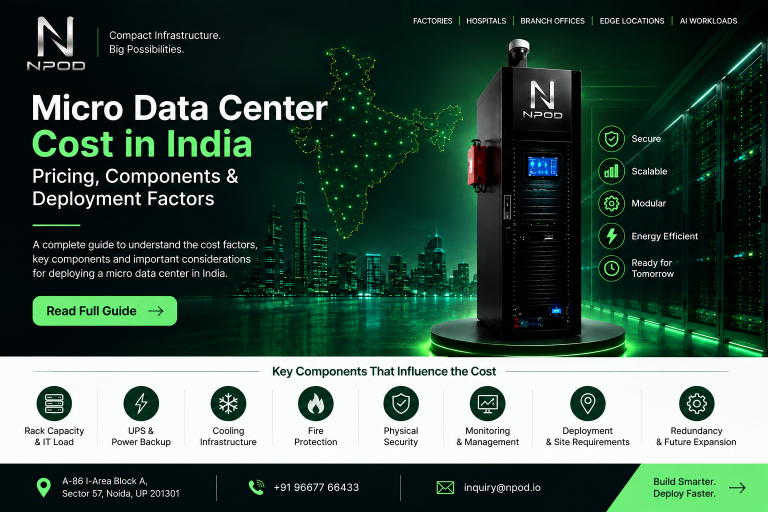
Organizations operating traditional server environments often face hidden costs that impact long-term efficiency and scalability. NPOD’s micro data centers provide an effective way to reduce these hidden costs.
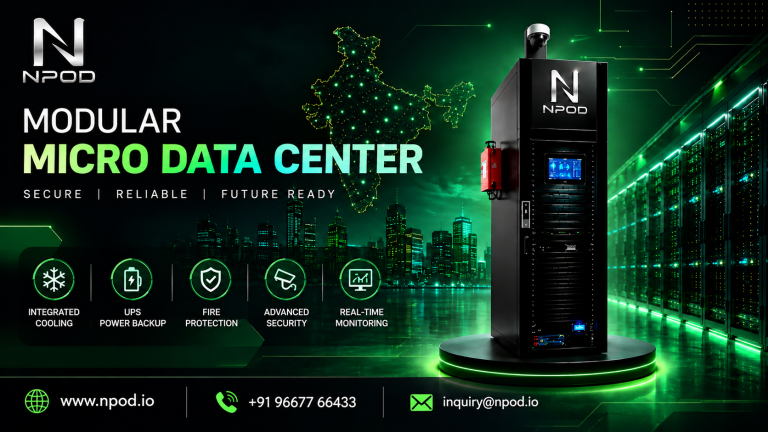
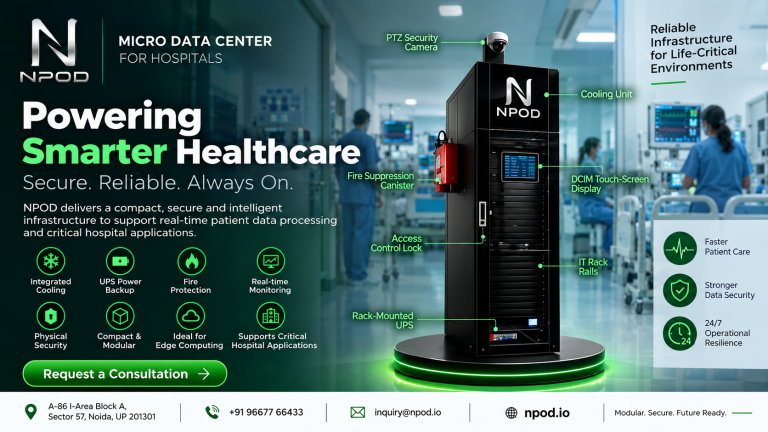
NPOD integrates cooling, power management, monitoring, security, and the rack infrastructure into a compact, self-contained platform. This integrated design simplifies deployment, improves operational efficiency, and reduces infrastructure complexity.
Because these units cut down on cooling needs, manage power better, and give you real-time monitoring, companies can see lower operating costs. It also helps reduce the risk of unexpected downtime and service disruptions. And if you need to grow your setup, the modular design means you can expand without those expensive, messy facility overhauls.
So, for any organization wanting to bring their IT up to date but still keep control of everything locally, NPOD offers an efficient on-premise data center solution. It’s built to handle what you need now and whatever comes next.
Supporting The Growth of Edge Computing
With more IoT devices, AI tools, and real-time analytics popping up, there’s a clear need for solid edge data center infrastructure. Companies increasingly require computing resources closer to users and devices, simply to cut down on delays and make everything run better.
Many existing server room environments are not designed to support distributed workloads across multiple locations. Modern micro data centers address this challenge by providing secure and efficient computing environments closer to users and devices.
This flexibility lets organizations support remote sites, branch offices, industrial facilities, and various edge applications without the big hassle or cost of building full-blown dedicated facilities.
A Smart Small Data Solution for Modern Businesses
Many organizations don’t require a large-scale data center to support their operations. What many organizations need is a dependable small data center solution that delivers enterprise-grade performance while remaining cost-effective and easy to manage.
NPOD’s compact designs help businesses make the most of their space. They also reduce energy consumption, minimize maintenance requirements, and simplify deployment. This makes them a great pick for companies that want efficient IT without the headache of managing a dedicated server facility.
Conclusion
Conventional server room environments may appear cost-effective initially, but their hidden operational costs can quickly accumulate over time. Rising energy costs, ongoing maintenance requirements, security investments, downtime risks, and scalability limitations can significantly increase the total cost of ownership.
Modern IT setups offer a more efficient way to go. By using micro data center solutions, companies can lower their running costs, make their systems more dependable, simplify how they manage things, and be ready for future growth. NPOD, for example, combines power, cooling, monitoring, and security all in one. This helps businesses move past the downsides of conventional server room setups and build a smarter, stronger base for their IT.
FAQs:
1. What are the hidden costs of maintaining a traditional server room?
Traditional server rooms often involve hidden expenses such as high electricity consumption, cooling costs, regular maintenance, hardware upgrades, physical security measures, and unexpected downtime. Over time, these costs can significantly increase the total cost of ownership compared to modern micro data center solutions.
2. Why are traditional server rooms expensive to operate?
Traditional server rooms require dedicated space, power backup systems, cooling infrastructure, fire protection, and continuous monitoring. As IT workloads grow, businesses often face rising operational expenses and infrastructure upgrade costs, making server rooms increasingly expensive to maintain.
3. How can a micro data center reduce server room costs?
A micro data center integrates power, cooling, monitoring, security, and fire protection into a single compact solution. This reduces energy consumption, lowers maintenance requirements, improves uptime, and minimizes the need for costly infrastructure upgrades, helping organizations reduce overall IT expenses.
4. What are the security risks of traditional server rooms?
Traditional server rooms may face risks such as unauthorized access, environmental damage, equipment failures, and limited monitoring capabilities. Modern micro data centers include advanced physical security, intelligent monitoring, access control, and environmental management features to help protect critical IT infrastructure.
5. Why should businesses use CCTV cameras with cloud storage for server room monitoring?
CCTV cameras with cloud storage provide continuous remote monitoring, secure video backups, and easy access to surveillance footage from anywhere. Unlike local storage systems, cloud-based video storage helps prevent data loss due to hardware failures, theft, or physical damage, making it a reliable option for protecting server rooms and critical IT infrastructure.