Modern businesses depend on servers, network equipment, storage systems, and always-on digital infrastructure. Yet one issue is often underestimated until costs begin to rise: poor cooling performance.
When cooling systems are outdated, inefficient, or poorly designed, the result is not limited to uncomfortable temperatures. It can lead to higher electricity bills, more frequent hardware repairs, reduced equipment lifespan, and unexpected downtime.
For data centers, server rooms, edge facilities, and IT environments, cooling is not just maintenance—it is a core part of operational efficiency.
Why Cooling Matters More Than Many Businesses Realize
IT equipment generates continuous heat. Servers, switches, UPS systems, and storage devices all perform best within recommended temperature and humidity ranges.
When cooling systems fail to manage heat effectively, equipment must operate under stress. That stress creates a chain reaction:
- Higher power consumption
- Reduced system efficiency
- Frequent component failures
- Increased maintenance visits
- Shorter hardware life cycles
- Greater risk of outages
What begins as a cooling issue often becomes a financial issue.
How Poor Cooling Raises Energy Bills
- Cooling Systems Run Longer Than Necessary
Inefficient cooling systems often struggle to maintain stable temperatures. As a result, compressors, fans, and blowers run longer and harder.
This increases:
- Daily energy consumption
- Peak demand charges
- Monthly utility costs
Even a small drop in efficiency can become a major expense over time.
- Overcooling Wastes Electricity
Many facilities compensate for poor airflow by lowering thermostat settings. This may feel like a quick fix, but overcooling wastes significant energy.
Instead of solving hotspots, it cools the entire room unnecessarily.
- Poor Airflow Reduces Cooling Efficiency
Blocked vents, poor rack layout, mixed hot and cold air, and unmanaged cable congestion can stop cool air from reaching equipment properly.
This forces cooling units to work harder while delivering worse results.
- Aging Equipment Uses More Power
Older cooling systems typically consume more energy than modern precision cooling solutions. They may also lack smart controls that optimize runtime and load management.
How Poor Cooling Increases Repair Costs
- Heat Damages Sensitive Components
Excessive heat is one of the most common causes of premature IT equipment failure.
It can damage:
- Hard drives
- Power supplies
- Motherboards
- Processors
- Batteries
- Network switches
Replacing these components repeatedly creates avoidable costs.
- Fans and Mechanical Parts Wear Out Faster
When systems run hot, internal fans operate at higher speeds for longer periods. This accelerates wear and increases maintenance needs.
- Emergency Repairs Cost More
Unexpected breakdowns often require urgent service calls, expedited parts, and after-hours support. Emergency repairs usually cost far more than planned maintenance.
- Downtime Adds Hidden Costs
Repair expenses are only part of the problem. If systems go offline, businesses may also lose the following:
- Productivity
- Revenue
- Customer trust
- SLA compliance
- Operational continuity
Common Signs Your Cooling Is Costing Too Much
Many businesses do not realize cooling inefficiency is the source of rising costs. Watch for these warning signs:
- Utility bills increasing month after month
- Hotspots near racks or equipment zones
- Frequent hardware failures
- Cooling units running constantly
- Temperature fluctuations
- Excess dust buildup
- Repeated maintenance calls
- Noise from overworked fans or units
If these issues are present, a cooling review is often worth it.
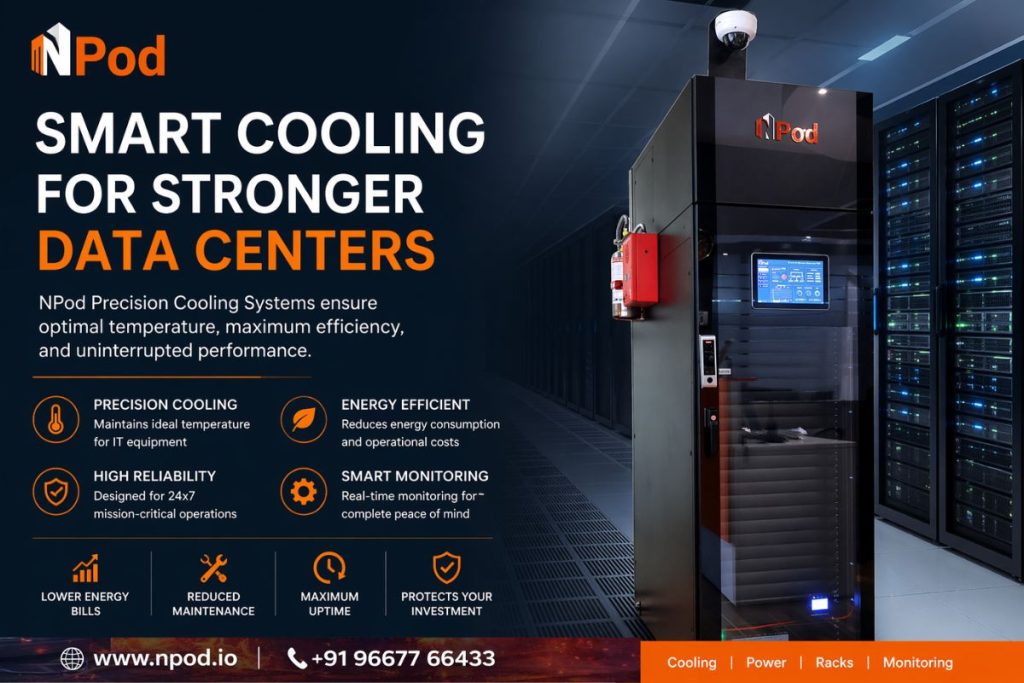
The Value of Precision Cooling Systems
Unlike standard comfort air conditioning, precision cooling systems are designed specifically for IT environments.
They help control:
- Temperature accuracy
- Humidity levels
- Air distribution
- Energy efficiency
- Continuous operation demands
This leads to lower operating costs and better equipment protection.
How Better Cooling Reduces Total Costs
A well-designed cooling strategy can help businesses
Lower Energy Consumption
Smart controls, variable-speed fans, and targeted airflow reduce wasted electricity.
Extend Equipment Lifespan
Stable temperatures reduce heat stress on expensive hardware.
Reduce Maintenance Costs
Efficient systems place less strain on equipment and cooling components.
Improve Uptime
Reliable thermal control reduces unexpected shutdowns and service disruption.
Support Growth
Modern cooling systems scale more effectively as rack density and workloads increase.
Why Professional Cooling Design Matters
Cooling performance depends on more than installing a unit. It requires planning based on:
- Room size
- Heat load
- Rack density
- Equipment placement
- Redundancy needs
- Future expansion plans
Poorly matched systems often create recurring problems even when the hardware itself is new.
That is why many businesses work with experienced infrastructure specialists such as NPOD to design efficient, reliable cooling environments for modern IT operations.
To reduce energy bills and repair expenses:
- Conduct regular thermal assessments
- Seal airflow leaks and improve cable management
- Separate hot and cold air paths
- Upgrade aging cooling systems
- Use environmental monitoring sensors
- Schedule preventive maintenance
- Consider precision cooling for critical environments
Final Thoughts
Poor cooling rarely appears as a single line item, but its costs show up everywhere—electricity bills, repair invoices, downtime, and shortened hardware lifespan.
Businesses that treat cooling as a strategic investment often see lower operating costs, stronger reliability, and better long-term performance.
If your facility is facing rising energy use or repeated equipment issues, the root cause may not be the servers—it may be the cooling system behind them.
FAQ
Does poor cooling really increase electricity bills?
Yes. Inefficient systems run longer, consume more power, and often overcool spaces to compensate for poor airflow.
Can overheating damage servers permanently?
Yes. Repeated exposure to high temperatures can shorten the life of critical components and increase failure rates.
What is the difference between AC and precision cooling?
Standard AC focuses on occupant comfort. Precision cooling is engineered for IT environments requiring tighter temperature, humidity, and uptime control.
When should a business upgrade cooling systems?
If you notice hotspots, frequent repairs, rising power bills, or growth in IT load, it may be time to assess your current setup.