In this article
Introduction
Many organizations rely on server rooms that were designed years ago when IT infrastructure requirements were far less demanding. Today, businesses must support cloud applications, edge computing, AI workloads, remote operations, data security requirements, and growing storage demands. Unfortunately, traditional server rooms often struggle to keep pace.
The immediate reaction is often to consider building a new data center. However, constructing a dedicated facility requires significant capital investment, extensive planning, additional floor space, and long deployment timelines.
The good news is that upgrading your existing server room does not necessarily require building a new data center. Modern solutions such as micro data center can help organizations modernize their infrastructure quickly, cost-effectively, and with minimal disruption.
In this article, we’ll explore the challenges of aging server rooms and how businesses can transform their IT infrastructure without undertaking a costly construction project.
Why Traditional Server Rooms Become a Problem
Most server rooms start small and gradually expand as business requirements grow. Over time, organizations often encounter several challenges:
Rising Heat and Cooling Issues
As additional servers, networking devices, and storage systems are added, heat generation increases significantly. Traditional cooling systems may no longer provide adequate temperature control.
Common signs include:
- Hot spots within the server room
- Increased equipment failures
- Higher energy consumption
- Reduced hardware lifespan
Limited Space Availability
Many businesses eventually run out of rack space. Expanding the server room may require costly renovations or relocation.
Power Distribution Challenges
Modern applications demand more computing power. Legacy electrical systems may struggle to support growing workloads, increasing the risk of outages and downtime.
Security Concerns
Server rooms often lack modern security controls such as intelligent monitoring, access management, environmental sensors, and integrated fire suppression systems.
Increasing Downtime Risks
Outdated infrastructure becomes more vulnerable to failures, resulting in service interruptions that affect business operations and customer experiences.
Why Building a New Data Center Isn’t Always Practical
Building a traditional data center can solve infrastructure limitations, but it also introduces new challenges:
- High capital expenditure
- Long deployment timelines
- Construction and permitting requirements
- Additional facility management costs
- Increased operational complexity
For many organizations, these investments are difficult to justify, especially when only a portion of the infrastructure requires modernization.
Instead, businesses are increasingly adopting modular and scalable alternatives.
The Smarter Alternative: Deploy a Micro Data Center
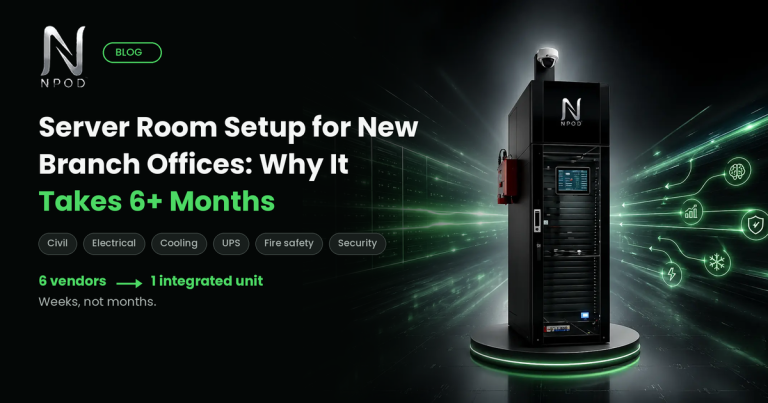
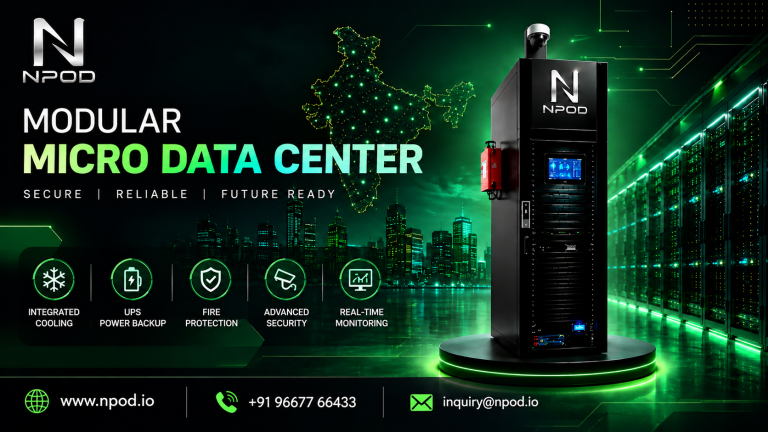
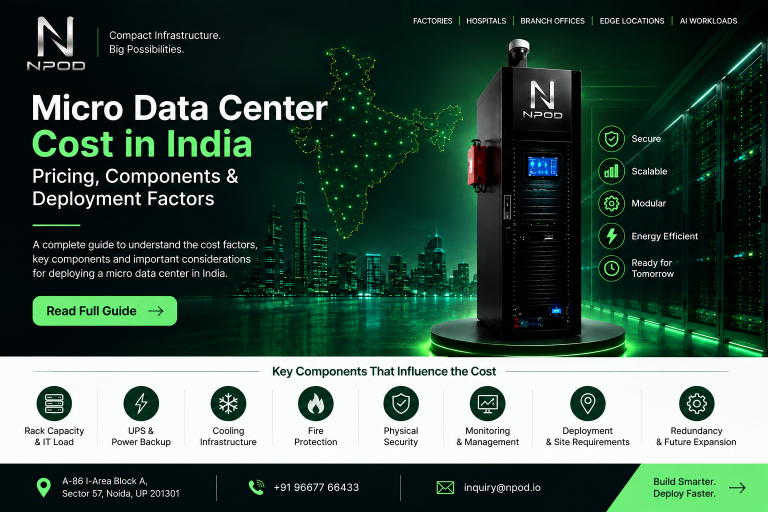
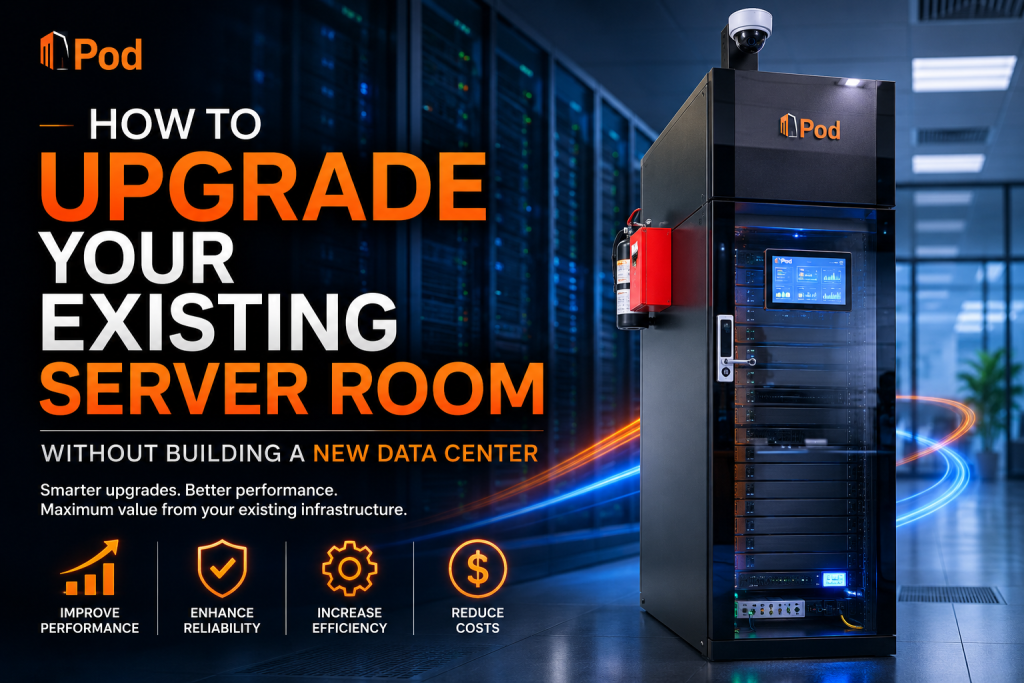
A micro data center is a self-contained IT infrastructure solution that integrates power, cooling, security, monitoring, and rack systems into a compact enclosure.
Rather than rebuilding an entire facility, organizations can upgrade their existing server room by deploying a micro data center within their current environment.
This approach provides enterprise-grade infrastructure without the expense and complexity of constructing a new facility.
Benefits of Upgrading with a Micro Data Center
Rapid Deployment
Traditional data center projects can take months or even years to complete.
A micro data center can often be deployed in a fraction of that time, allowing businesses to modernize infrastructure quickly and efficiently.
Integrated Cooling
One of the biggest challenges in aging server rooms is temperature management.
Modern micro data center solutions include precision cooling systems designed specifically for IT equipment, ensuring optimal operating conditions and reducing energy waste.
Built-In Power Protection
Power disruptions can cause data loss and hardware damage.
Integrated UPS systems provide reliable backup power while maintaining business continuity during outages.
Enhanced Physical Security
Unlike traditional server rooms where equipment may remain exposed, micro data centers offer controlled access and advanced security features such as:
- Electronic locking systems
- Access logging
- Surveillance integration
- Environmental monitoring
Fire Protection
Modern infrastructure requires proactive protection against fire-related risks.
Integrated fire detection and suppression systems help safeguard critical equipment and business data.
Real-Time Monitoring
Businesses gain greater visibility into their infrastructure through intelligent monitoring capabilities that track:
- Temperature
- Humidity
- Power usage
- Equipment status
- Security events
Upgrade Your Server Room Without Downtime
One of the biggest concerns during infrastructure modernization is operational disruption.
A modular deployment approach allows businesses to upgrade incrementally rather than replacing everything at once.
Organizations can:
- Assess current infrastructure requirements.
- Identify capacity and performance gaps.
- Deploy a micro data center alongside existing systems.
- Migrate workloads gradually.
- Decommission legacy equipment as needed.
This strategy minimizes risk while maintaining business continuity.
Supporting Edge Computing and AI Workloads
Modern applications increasingly rely on low-latency processing and localized computing resources.
Industries such as manufacturing, healthcare, education, retail, and financial services require infrastructure closer to users and devices.
A micro data center enables organizations to support:
- AI applications
- Edge computing
- IoT deployments
- Real-time analytics
- Hybrid cloud environments
without expanding traditional server room facilities.
Reduce Operational Costs
Many organizations assume upgrading infrastructure will increase expenses.
In reality, a modernized server room often delivers significant cost savings through:
- Lower cooling costs
- Improved energy efficiency
- Reduced maintenance requirements
- Fewer downtime incidents
- Extended equipment lifespan
These operational improvements help generate a stronger return on investment over time.
Why Businesses Are Choosing NPOD
NPOD provides a comprehensive micro data center solution designed to simplify IT infrastructure deployment and modernization.
Key capabilities include:
- Integrated cooling systems
- UPS power backup
- Fire suppression protection
- Intelligent monitoring
- Physical security controls
- Modular and scalable architecture
- Rapid deployment capabilities
Whether upgrading a small server room or supporting edge computing initiatives, NPOD enables organizations to deploy enterprise-grade infrastructure without building a new data center.
Conclusion
Aging server rooms often create challenges related to cooling, power, security, scalability, and reliability. While building a new facility may seem like the obvious solution, it is not always the most practical or cost-effective approach.
By deploying a micro data center, organizations can modernize existing server rooms, improve performance, strengthen security, and support future growth without expensive construction projects.
For businesses looking to upgrade their IT infrastructure quickly and efficiently, NPOD offers a smarter path toward modernization, scalability, and operational resilience.
Frequently Asked Questions
1. Can I upgrade my server room without building a new data center?
Yes. Modern micro data center solutions allow organizations to enhance power, cooling, security, and monitoring capabilities within their existing server room.
2. What is a micro data center?
A micro data center is a self-contained infrastructure solution that integrates racks, cooling, UPS power, monitoring, and security into a compact enclosure.
3. How does a micro data center improve server room efficiency?
It provides optimized cooling, power management, physical security, and monitoring while reducing operational complexity.
4. Is a micro data center suitable for AI and edge computing?
Yes. Micro data centers are widely used to support AI workloads, edge computing, IoT deployments, and low-latency applications.
5. Why choose NPOD for server room modernization?
NPOD delivers an integrated, scalable, and rapidly deployable micro data center solution designed to simplify infrastructure management and support business growth.
6. Can a micro data center support NVIDIA dedicated GPU servers for AI workloads?
Yes. Modern micro data center solutions like NPOD are designed to support high-density computing environments, including infrastructure that hosts NVIDIA dedicated GPU servers and AI-ready hardware. With integrated cooling, power backup, fire protection, and intelligent monitoring, NPOD provides the controlled environment needed for demanding AI, machine learning, deep learning, and data analytics workloads while reducing the need to build a traditional data center.