For businesses building AI platforms, private clouds, enterprise applications, or high-performance workloads, infrastructure delays can quickly become a business problem. You may have the servers ready, the application prepared, and
Stay ahead with the latest trends in modular data centers, precision cooling, and sustainable infrastructure
— expert perspectives, product updates, and industry insights delivered straight to you.
For businesses building AI platforms, private clouds, enterprise applications, or high-performance workloads, infrastructure delays can quickly become a business problem. You may have the servers ready, the application prepared, and
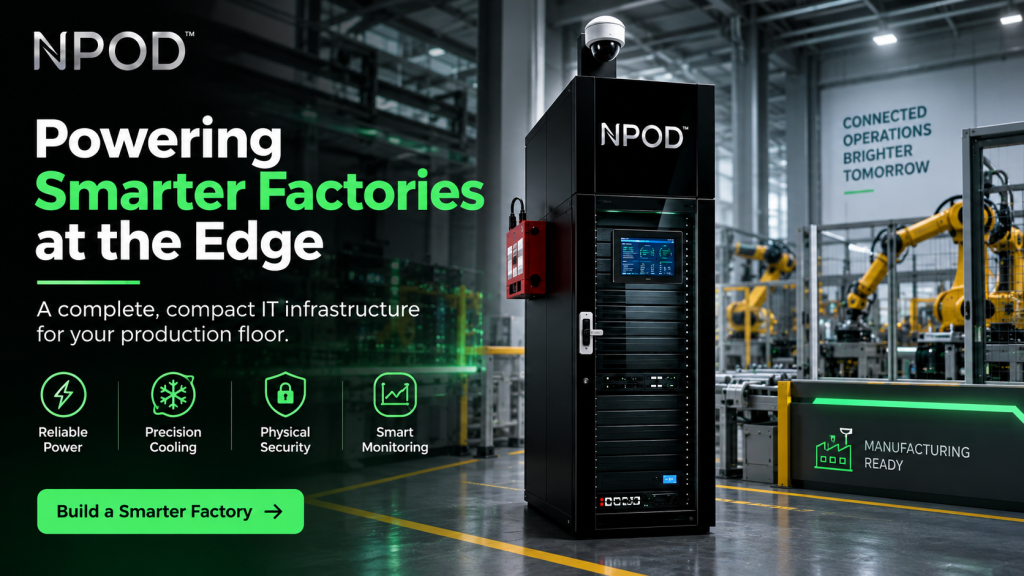
Quick Answer: Factories can deploy IT infrastructure closer to the production floor by using a micro data center for manufacturing. It provides a compact environment for servers, networking equipment, power
As businesses scale their digital operations, infrastructure decisions become more complex. A company may start with cloud hosting or a few dedicated servers, move into colocation as its requirements grow,
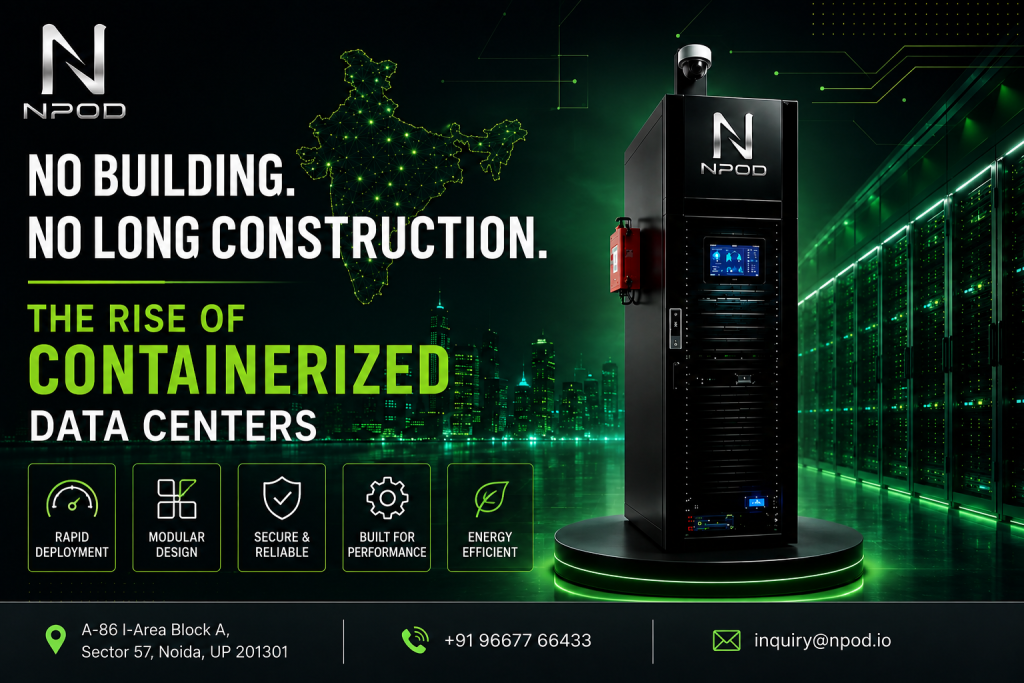
Building a traditional data center is often a long and complex process. Businesses may need to find suitable space, prepare the site, construct a facility, install power and cooling systems,
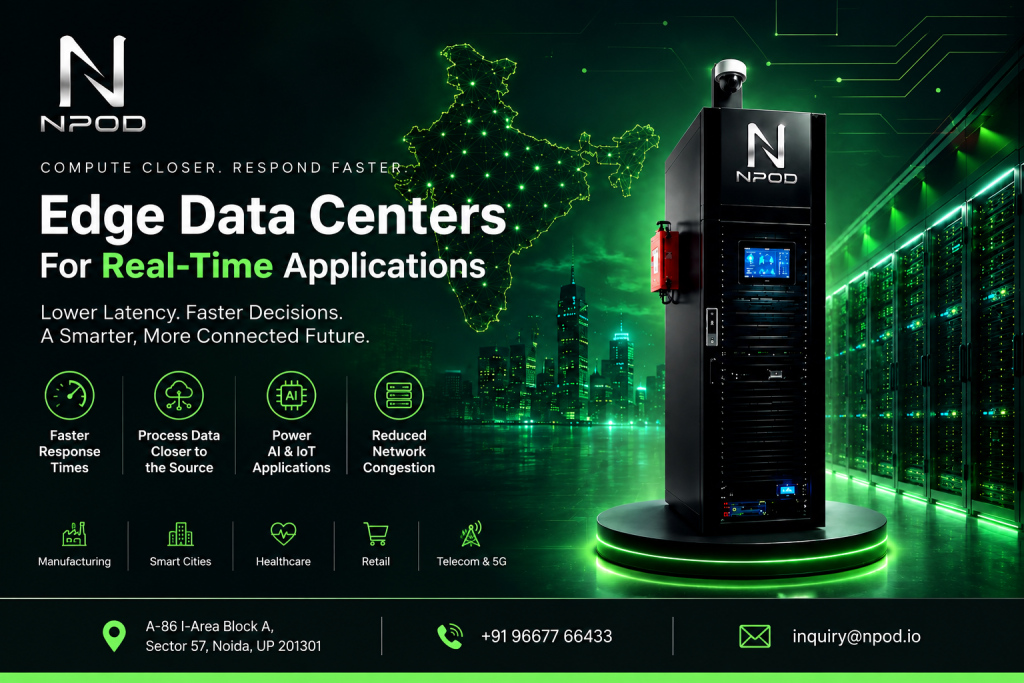
Businesses today are generating and processing more data than ever. Connected machines, IoT sensors, security cameras, AI applications, mobile devices, and smart systems continuously create information that needs to be
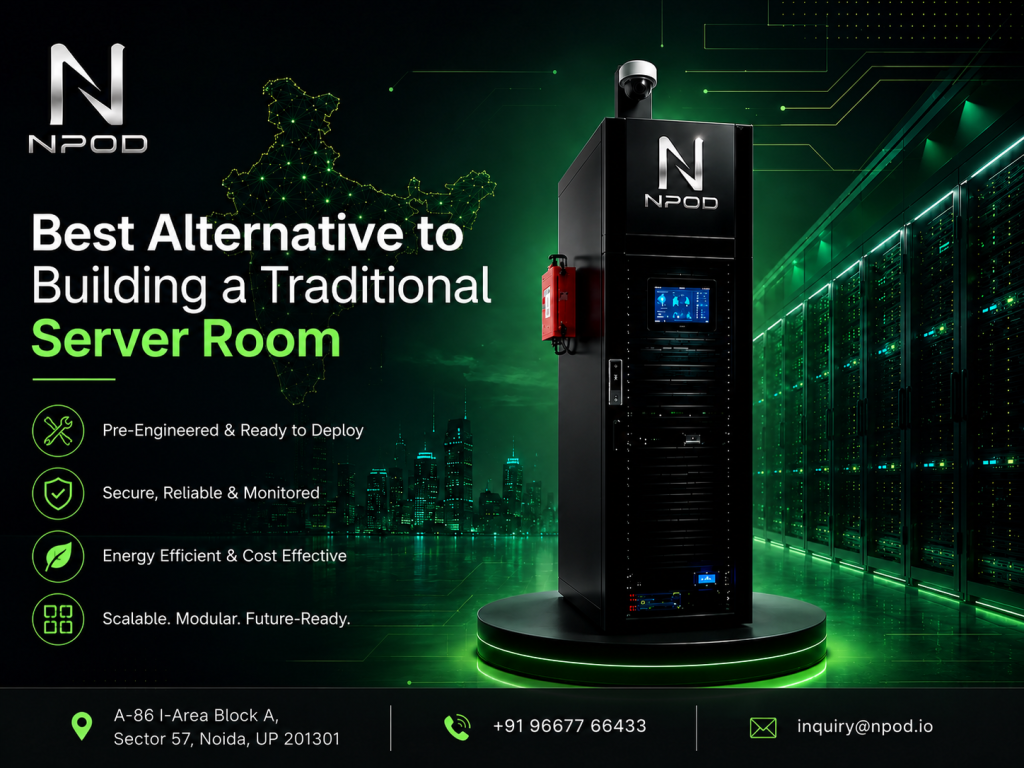
Your server room is filling up, and it costs you too much to cool? You need reliable computing resources for the opening of a new branch, manufacturing site, or edge
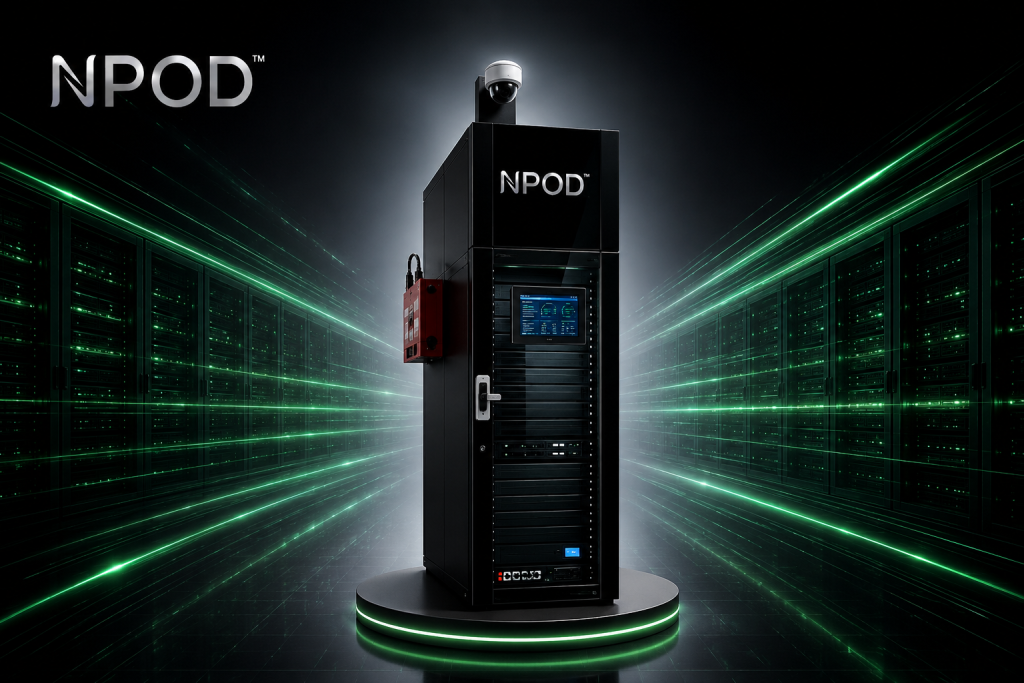
Every second of delay can affect production, customer experience, or business operations. As organizations generate more data across factories, branch offices, hospitals, and retail locations, relying solely on centralized data
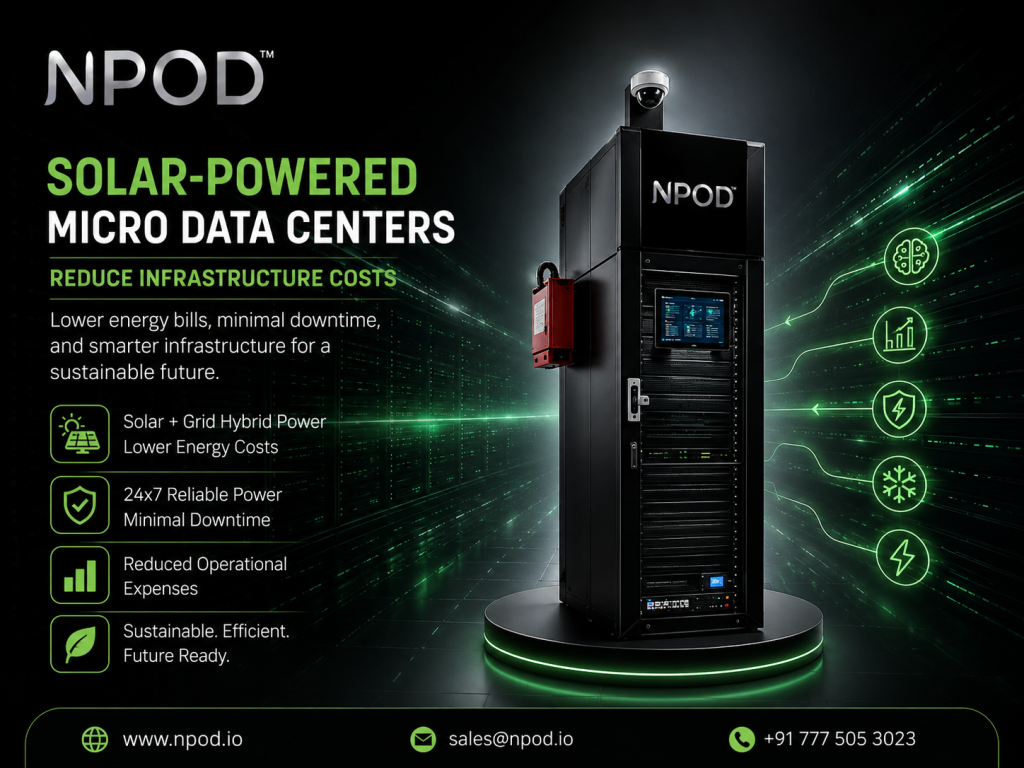
Businesses today depend heavily on digital infrastructure. Whether it’s manufacturing, healthcare, banking, retail, or telecom, IT systems need to run without interruption. At the same time, electricity prices are increasing,
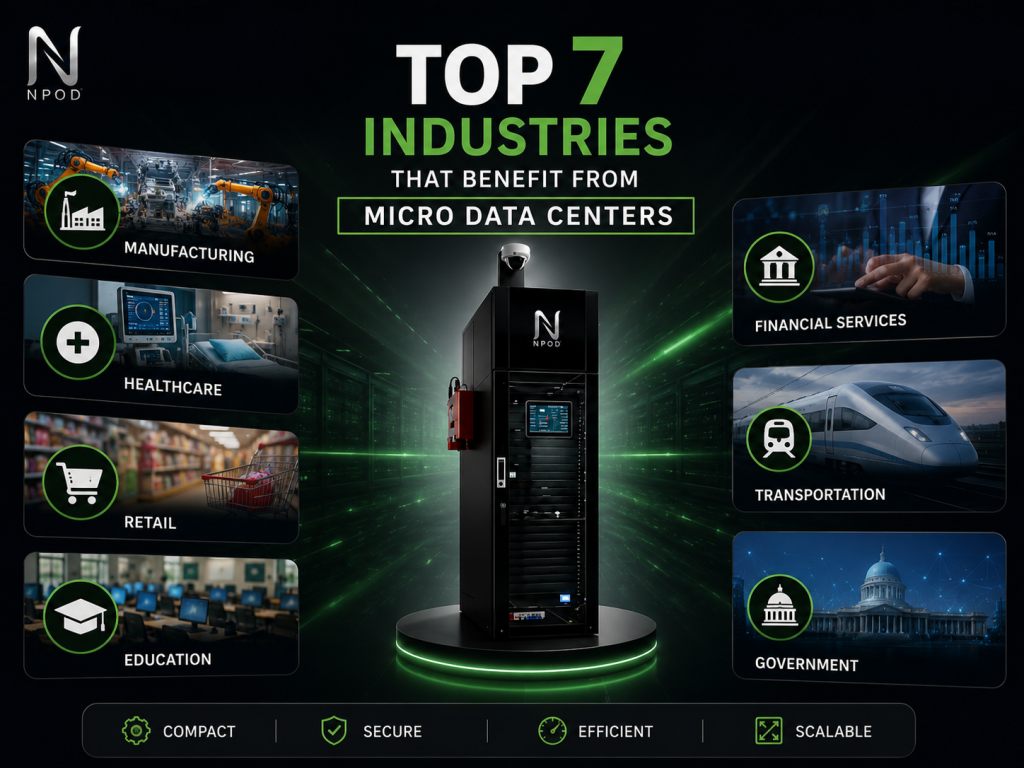
As businesses continue to move their operations to branch offices, retail stores, factories, and other remote locations, there is one common problem that is being faced, how to deliver reliable
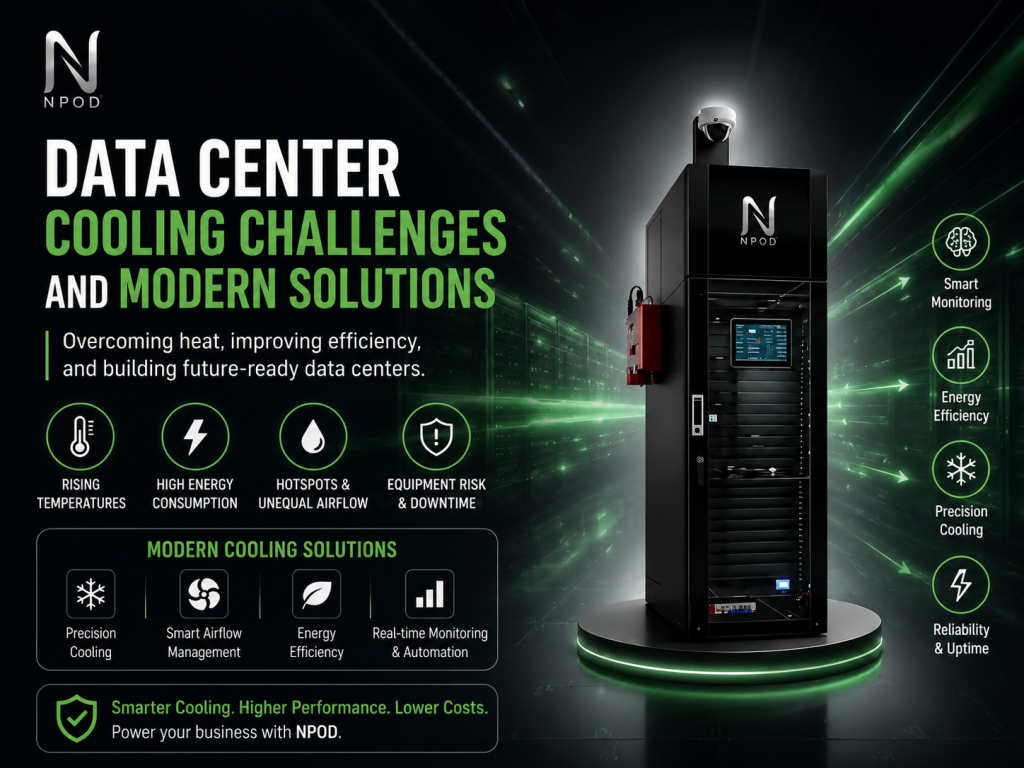
Modern businesses rely on uninterrupted IT infrastructure to support AI applications, cloud computing, enterprise workloads, and edge deployment. As servers handle more demanding workloads, they generate more heat, making data